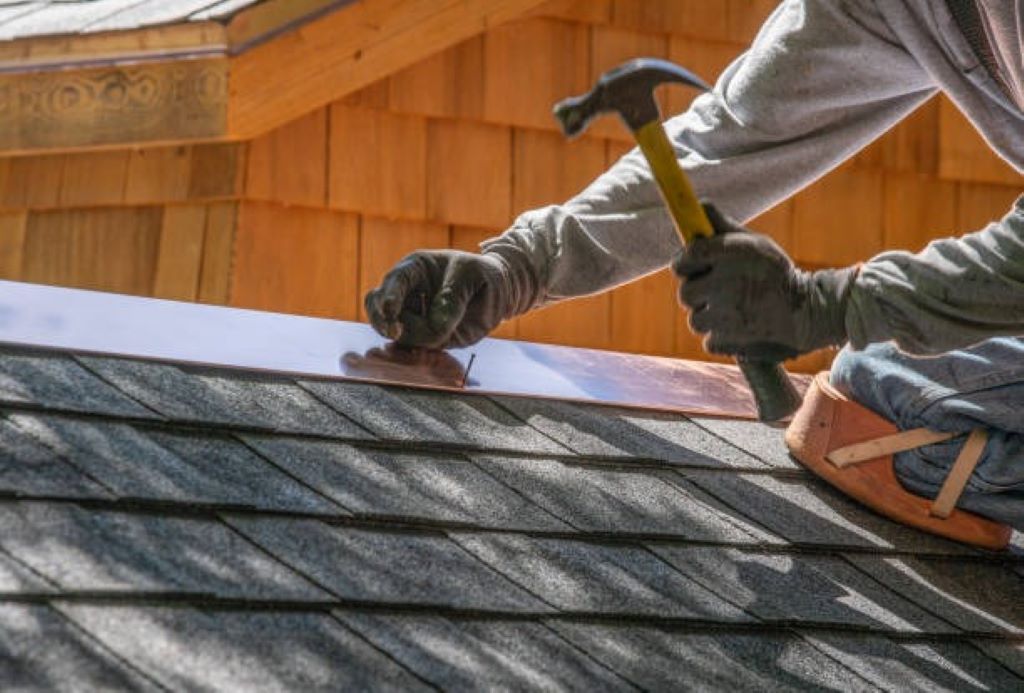
When it comes to roofing, having the right tools can make all the difference between a smooth, efficient job and a frustrating, time-consuming ordeal. Among the essential tools for roofers, the shingling hammer stands out as a must-have. But what makes this specialized hammer so ideal for roofing work?
In this guide, we’ll explore the unique features of a shingling hammer, its advantages over standard hammers, and why professional roofers swear by it. Whether you’re a DIY enthusiast or a seasoned roofing contractor, understanding the benefits of this tool will help you work smarter, faster, and more safely.
What Is a Shingling Hammer?
A shingling hammer (also called a roofing hammer) is a specialized tool designed specifically for installing asphalt shingles and other roofing materials. Unlike a regular claw hammer, it includes features that streamline roofing tasks, such as:
- A sharp blade or hatchet edge for cutting shingles
- A magnetic nail holder for one-handed nailing
- A gauged notch for precise shingle alignment
- A textured face to prevent slipping when driving nails
These unique characteristics make it an indispensable tool for roofers, ensuring efficiency and precision on the job.
Key Benefits of Using a Shingling Hammer
-
Efficiency in Nailing Shingles
Roofing involves driving hundreds—sometimes thousands—of nails. A shingling hammer’s magnetic nail holder allows roofers to place nails quickly without fumbling, significantly speeding up the process. This feature is especially useful when working on steep or high-pitched roofs where balance and speed are crucial.
-
Built-in Shingle Cutter
Instead of carrying a separate utility knife, a shingling hammer includes a sharp blade or hatchet edge for trimming shingles. This eliminates the need to switch tools constantly, saving time and effort.
-
Precision with Gauged Notches
Proper shingle alignment is critical for a watertight roof. Many shingling hammers have gauged notches that help roofers space shingles evenly, ensuring a uniform and professional-looking installation.
-
Improved Grip and Reduced Fatigue
Roofing hammers are typically lighter than framing hammers, reducing arm fatigue during long hours of work. The textured face also prevents slippage when driving nails, improving accuracy and safety.
-
Durability for Tough Jobs
Constructed from high-grade steel or fiberglass, shingling hammers are built to withstand constant use in harsh conditions. Unlike standard hammers, they resist rust and wear, making them a long-term investment for roofing professionals.
Shingling Hammer vs. Standard Hammer: Why the Difference Matters
While a regular claw hammer might seem sufficient for roofing, it lacks the specialized features that make a shingling hammer superior for this task. Here’s a quick comparison:
| Feature | Shingling Hammer | Standard Hammer |
| Magnetic nail holder | ✅ Yes | ❌ No |
| Built-in shingle cutter | ✅ Yes | ❌ No |
| Gauged alignment notches | ✅ Yes | ❌ No |
| Lightweight design | ✅ Yes | ❌ Often heavier |
| Textured face for grip | ✅ Yes | ❌ Sometimes smooth |
For roofing work, a specialized hammer is simply more efficient, accurate, and ergonomic.
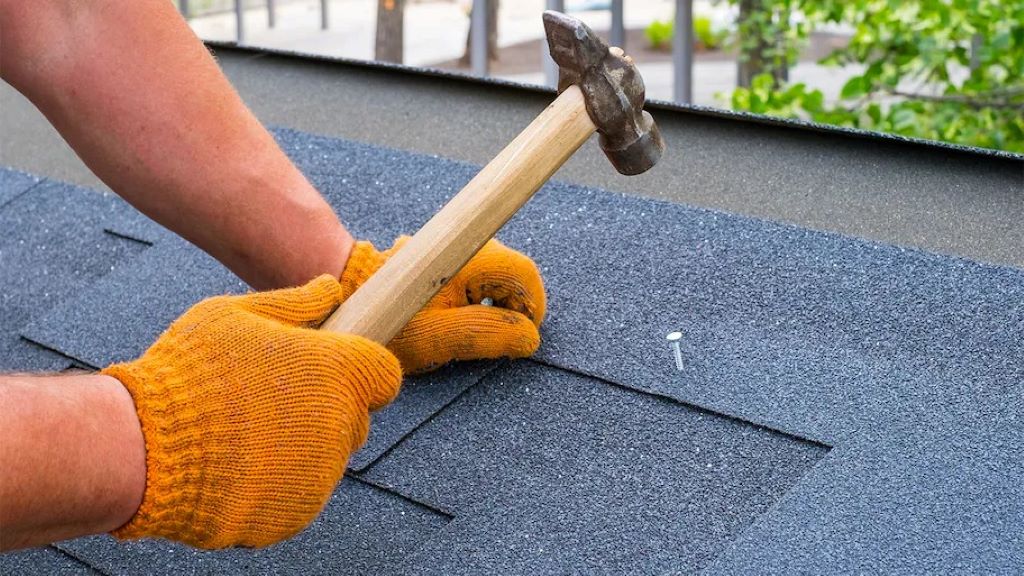
How to Choose the Best Shingling Hammer
Not all roofing hammers are created equal. Here’s what to look for when selecting one:
Material & Durability
- Steel heads offer strength and longevity.
- Fiberglass handles reduce vibration and absorb shock.
Weight & Balance
- A 16-20 oz hammer is ideal for most roofing tasks—light enough for prolonged use but heavy enough to drive nails effectively.
Magnetic Nail Holder Strength
- A strong magnet ensures nails stay in place, even at awkward angles.
Blade Sharpness & Accessibility
- The blade should be sharp enough to cut shingles cleanly without excessive force.
Comfortable Grip
- Rubber or ergonomic handles reduce hand fatigue during long roofing projects.
Common Mistakes to Avoid When Using a Shingling Hammer
Even with the right tool, improper use can lead to mistakes. Avoid these pitfalls:
Using a Dull Blade
A blunt cutting edge can tear shingles instead of making clean cuts. Regularly sharpen or replace the blade.
Overdriving Nails
Driving nails too deep can damage shingles. Use controlled strikes to ensure nails sit flush without cracking the material.
Ignoring Safety Precautions
Always wear gloves and safety glasses when cutting shingles, and ensure proper footing to prevent falls.
Top Shingling Hammer Recommendations
If you’re in the market for a high-quality roofing hammer, consider these top-rated options:
- Estwing Shingling Hammer – Durable steel construction with a magnetic nail starter.
- Stiletto Titanium Roofing Hammer – Lightweight yet powerful, reducing user fatigue.
- Vaughan & Bushnell Roofing Hammer – Features an ultra-sharp blade and comfortable grip.
Conclusion: Why Every Roofer Needs a Shingling Hammer
A shingling hammer isn’t just a luxury—it’s a necessity for efficient, precise, and safe roofing work. With features like a magnetic nail holder, built-in cutter, and alignment guides, it outperforms standard hammers in every way. Whether you’re a professional roofer or tackling a DIY project, investing in a high-quality shingling hammer will save time, reduce fatigue, and deliver better results.
Related Topics:
Cheap Home Decor Ideas for a Fresh Start: Budget-Friendly Inspiration for a Renewed Space