
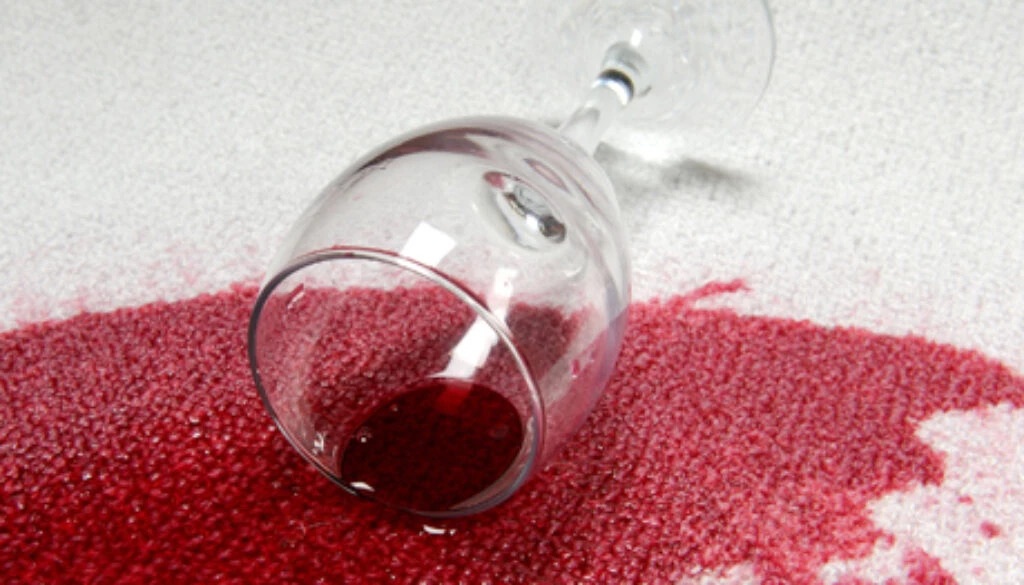
Picture this: a relaxing evening, a comfortable cotton sofa, a glass of your favorite red wine… and then, disaster strikes. That dreaded splash of crimson lands right on your pristine upholstery. It’s a moment that can induce panic, but take a deep breath! While red wine stains on cotton can be stubborn, acting quickly with the right household items can often save the day (and your sofa).
Cotton is a wonderfully comfortable and popular choice for sofas, but its natural fibers are quite absorbent. Red wine, packed with pigments (anthocyanins) and tannins, loves to soak into these fibers, making it a formidable foe. Time is of the essence; the longer the wine sits, the deeper it penetrates and the harder it becomes to remove. Heat is also the enemy here, as it can effectively ‘cook’ the stain into the fabric, making it near permanent.
This guide will walk you through various methods using common household items to tackle that red wine stain on your cotton sofa. Remember, patience and the correct technique are your best allies.
The Golden Rules: Before You Apply Any Cleaner
Before you reach for a cleaning solution, there are crucial first steps that significantly impact your success rate. Getting these right prevents the stain from spreading or setting deeper.
Blot, Don’t Rub: Your First Line of Defense
This is the cardinal rule of stain removal, especially for liquids on absorbent fabric like cotton. Your immediate instinct might be to rub furiously at the spill, but resist! Rubbing grinds the pigment deeper into the cotton fibers and spreads the stain outwards, making a bigger mess. Instead, grab clean, dry cloths or paper towels and gently blot the stain. Start from the outside edge of the spill and work inwards – this helps prevent the stain from expanding. Press down firmly to absorb as much liquid as possible, replacing the cloth or towel frequently as it becomes saturated. Continue blotting until you’re no longer lifting much color.
Grab an Absorbent (Salt, Baking Soda, Towels): Initial Liquid Removal
Once you’ve blotted away the surface liquid, applying a dry, powdery absorbent material can help pull more wine out from within the fibers. Think of it like a sponge drawing the moisture upwards. Generously cover the damp stain area with table salt or baking soda. Don’t rub it in; just let it sit on top. These powders will wick away the remaining wine. Leave the absorbent material on the stain for at least 5-10 minutes, or even longer for larger spills, while you prepare your chosen cleaning solution. Gently vacuum or brush off the powder before proceeding to the next step.
Your Kitchen & Laundry Room Arsenal: Household Stain Removers
Several common household items possess properties that can break down or lift red wine stains. Crucially, always test any cleaning solution on an inconspicuous area of your sofa first (like a hidden seam or the underside of a cushion skirt) to ensure it doesn’t cause discoloration or damage to the cotton fabric. Wait for the test spot to dry completely before proceeding.
Method 1: Club Soda – The Gentle Fizz
Club soda is often hailed as a first-response stain remover, particularly effective on fresh spills. Its magic lies partly in its carbonation – the bubbles can help gently lift and loosen the wine pigments from the fabric fibers. It’s also relatively neutral in pH and less likely to damage fabric compared to stronger solutions.
- How it Works: Carbonation helps break up and lift stain particles; dilution helps flush the pigment.
- Steps:
- After blotting, lightly pour a small amount of club soda directly onto the stain. Use just enough to saturate the stained area.
- Let it fizz and sit for about 10-15 minutes.
- Gently blot the area again with a clean, dry cloth, working from the outside in.
- Repeat the process if necessary.
- Once the stain is gone or significantly lightened, blot with a cloth dampened with plain cool water to rinse, then blot dry.
- Pros: Gentle, readily available, good for fresh stains.
- Cons: May not be strong enough for older or very set-in stains.
Method 2: The Salt Strategy (Use with Caution)
Salt is primarily used as an absorbent immediately after a spill, as mentioned in the initial steps. Many sources recommend covering a fresh, blotted stain generously with salt, letting it sit (from minutes to hours) to draw out the wine, then vacuuming it up.
- How it Works: Salt crystals absorb liquid through osmosis, pulling the wine out of the fibers.
- Steps:
- Blot the fresh spill thoroughly.
- Cover the entire damp stain generously with table salt (kosher salt’s flat flakes are sometimes preferred).
- Let it sit for at least 5-10 minutes; some recommend several hours or overnight for stubborn spots. The salt should turn pink as it absorbs the wine.
- Vacuum the salt away carefully.
- Assess the stain. If residue remains, proceed with another cleaning method (like club soda or dish soap solution).
- Pros: Excellent absorbency for fresh spills, cheap, readily available.
- Cons: Conflicting Advice Alert! While many swear by this, some cleaning experts (including Good Housekeeping UK) warn that salt can potentially set the stain, making later removal harder. It seems most effective purely as an initial absorbent on very fresh, wet spills rather than a treatment for dried stains. Proceed with this understanding.
Method 3: Baking Soda Paste – Absorb and Lift
Baking soda is another excellent absorbent, but it can also be used as a gentle cleaning paste. It helps lift the stain and can also neutralize odors.
- How it Works: Absorbs liquid, provides gentle abrasion when used as a paste, alkaline nature may react with wine pigments (see cons).
- Steps:
- Blot the stain thoroughly. Dampen the remaining stain slightly with cool water.
- Make a paste using 3 parts baking soda to 1 part water. It should be thick but spreadable.
- Apply the paste generously over the entire stain.
- Let the paste dry completely (this might take several hours).
- Once dry, vacuum up the residue thoroughly.
- If the stain persists, you may need a stronger method.
- Pros: Absorbent, deodorizing, gentle abrasive, inexpensive.
- Cons: Can sometimes cause a temporary blue/grey color change as the alkaline baking soda reacts with acidic wine pigments (anthocyanins are pH indicators). This usually resolves with rinsing, but always test first! May not be sufficient for deeply set stains.
Method 4: Dish Soap & Hydrogen Peroxide Power Combo
This is often considered a more heavy-duty DIY option, particularly effective on tougher or slightly older stains. However, it requires significant caution.
- How it Works: Hydrogen peroxide acts as a mild oxidizing agent (bleach), breaking down color pigments. Dish soap helps lift and dissolve the stain components.
- Steps:
- TEST ON A HIDDEN SPOT FIRST! Hydrogen peroxide can bleach or lighten fabrics, especially colored cotton. Do not skip this test.
- Blot the stain well.
- Mix a solution of approximately 1 part basic liquid dish soap (choose one free of dyes or bleach additives) and 3 parts 3% hydrogen peroxide.
- Apply the solution sparingly to the stain using a clean cloth or sponge. Avoid over-saturating.
- Let it sit for 20 minutes to an hour, watching for any fabric color change. The stain should lighten.
- Gently blot the solution and the lifting stain with a clean, damp cloth.
- Rinse thoroughly by blotting with a cloth dampened with cool water until all solution residue is gone.
- Blot dry with a clean, dry towel.
- Pros: Effective on tougher stains, ingredients commonly available.
- Cons: High risk of bleaching/discoloring cotton, especially non-white fabrics. Requires careful testing and application. Hydrogen peroxide can weaken fibers if left too long or not rinsed properly.
Method 5: White Vinegar & Baking Soda/Dish Soap – The Acidic Approach
White vinegar’s acidity can help break down the pigments in red wine. It’s often combined with either baking soda for a fizzy lifting action or dish soap for extra cleaning power.
- How it Works: Vinegar’s acidity helps neutralize and break down wine pigments. Baking soda adds fizz and absorption; dish soap adds lifting power.
- Steps (Vinegar & Baking Soda):
- Blot the stain thoroughly.
- Lightly spray or dab white vinegar onto the stain.
- Immediately sprinkle baking soda over the vinegar. It will fizz.
- Let the fizzing action work for a few minutes.
- Gently blot the area with a clean, damp cloth.
- Rinse thoroughly by blotting with a cool water-dampened cloth, then blot dry.
- Steps (Vinegar & Dish Soap):
- Blot the stain thoroughly.
- Mix a solution of 1 tablespoon white vinegar, 1 tablespoon liquid dish soap, and 2 cups of cool water.
- Apply the solution to the stain with a sponge or cloth, blotting gently.
- Let sit for a few minutes.
- Blot with a clean, damp cloth to lift the stain and solution.
- Rinse thoroughly by blotting with a cool water-dampened cloth, then blot dry.
- Pros: Vinegar is a natural cleaner and deodorizer, often effective on pigment stains.
- Cons: Vinegar has a distinct smell (which dissipates as it dries), may require repeated applications. Always test first, as with any liquid.
Method 6: Liquid Laundry Detergent Solution – A Simple Standby
Your regular liquid laundry detergent (designed to tackle stains on fabric) can sometimes do the trick, provided it doesn’t contain bleach.
- How it Works: Detergents contain surfactants that lift and suspend stains in water.
- Steps:
- Choose a liquid laundry detergent without bleach or optical brighteners if possible. Test on a hidden area.
- Blot the stain well.
- Mix a small amount of detergent with cool water (e.g., 1 teaspoon detergent to 1 cup water).
- Apply the solution sparingly with a clean cloth, dabbing gently.
- Let sit for 5-10 minutes.
- Blot with a clean, damp cloth to remove the stain and the detergent.
- Rinse very thoroughly by repeatedly blotting with a cloth dampened only with cool water. Detergent residue can attract dirt.
- Blot dry.
- Pros: Specifically designed for fabric stains, readily available.
- Cons: Must be rinsed extremely well to avoid residue. Bleach-containing detergents will damage color.
Related: How to Clean Cutlery That Has Gone Black
Critical Do’s and Don’ts for Success
Following best practices maximizes your chances of removing the stain without damaging your sofa.
Always Test First: The Unskippable Step
We can’t emphasize this enough. Cotton fabrics vary in dyes and finishes. Before applying any solution to the visible stain, test it on a hidden area. Apply the cleaner, let it sit for the recommended time, blot, rinse, and let it dry completely. Check for any color loss, color change, or texture damage.
Temperature Matters: Stick to Cool Water
Hot water is generally bad news for red wine stains (and many other types). Heat can chemically bond the stain pigments to the cotton fibers, making them permanent. Always use cool or lukewarm water for blotting, mixing solutions, and rinsing.
Blotting Technique: Master the Dab
Remember: blot, never rub. Work from the outside edge of the stain inwards to contain it. Use clean sections of your cloth or fresh paper towels to avoid transferring the wine back onto the sofa. Gentle, firm pressure is key.
Rinsing is Key: Avoid Residue Rings
Leaving cleaning solutions (even mild ones like vinegar or soap) in the fabric can cause problems. Residue can attract dirt over time, leading to a new, shadowy stain, or even weaken the fibers. Thorough rinsing – by repeatedly blotting with a clean cloth dampened with plain cool water – is essential after applying any cleaner.
Patience and Persistence: Don’t Give Up Too Soon
Some stains, especially if they weren’t treated immediately, may require multiple applications of a chosen method, or trying a different method if the first one isn’t working. Allow adequate dwell time for solutions to work.
Drying Decisions: Air Dry is Best Initially
Avoid applying direct heat (like a hairdryer) to the damp spot, as residual stain particles could still be set by the heat. Let the area air dry completely. If needed, use a fan to improve circulation. Once fully dry and you’re sure the stain is gone, you can enjoy your sofa again.
Debunking Common Myths & Questionable Tactics
Some oft-repeated advice isn’t always the best for your cotton sofa.
Can White Wine Really Remove Red Wine?
This is a popular tip, but its effectiveness is debated. The theory is that white wine’s alcohol content and acidity might help dilute and lift the red wine. However, some experts argue it doesn’t really work and just adds more liquid (and sugar) to the stain. If you try it, use it like club soda – pour a little on, blot immediately, and follow up with a proper cleaning method and thorough rinse. Generally, sticking to proven cleaners like club soda or a soap solution is safer.
Is Boiling Water Safe for Sofas?
Some guides suggest pouring boiling water through stained clothing stretched over a bowl. This is highly inadvisable for a sofa. You risk scalding yourself, spreading the stain massively across the upholstery, potentially setting it with the heat if not flushed through instantly (impossible on a sofa), and damaging the sofa’s internal padding or structure. Stick to cool water methods for upholstery.
When DIY Isn’t Enough: Calling in the Pros
Despite your best efforts, some red wine stains are simply too stubborn or may have set before you could treat them. If DIY methods aren’t working, if your sofa is particularly delicate or expensive, or if you’re worried about causing damage, it’s time to call a professional upholstery cleaner. They have specialized equipment, stronger (yet fabric-safe) cleaning solutions, and the expertise to tackle tough stains without harming your furniture.
Related: How Long Do Washers and Dryers Last? A Complete Lifespan Guide
People Also Ask (FAQs)
Q1: What’s the very first thing to do when red wine spills on a cotton sofa?
A: Blot immediately! Use clean, dry cloths or paper towels to soak up as much wine as possible without rubbing. Work from the outside in. Speed and blotting are paramount.
Q2: Can I use bleach on my cotton sofa for red wine?
A: Generally, no. Chlorine bleach will likely remove the red wine stain but will almost certainly remove the fabric’s color too, leaving a permanent white or faded patch, especially on colored cotton. It can also weaken cotton fibers. Oxygen bleach (found in products like OxiClean or made using hydrogen peroxide) is sometimes an option but must be tested carefully on a hidden area first, as it can still affect some dyes.
Q3: How long should I leave a cleaning solution on the stain?
A: It depends on the solution. Club soda might sit for 10-15 minutes. A dish soap/hydrogen peroxide mix might need 20-60 minutes. Baking soda paste needs to dry completely. Always follow the specific method’s instructions and monitor the area. Never leave strong solutions like peroxide unattended for excessive periods.
Q4: Does hairspray work on red wine stains?
A: This is an old wives’ tale, likely stemming from when hairsprays contained more alcohol. Modern hairsprays often contain lacquers and oils that can actually make the stain worse or leave a sticky residue. Stick to the methods outlined above.
Q5: Will baking soda alone remove the stain?
A: Baking soda used dry is primarily an absorbent. Used as a paste, it can lift some stains, especially fresh ones. However, for set-in or dark stains, it often needs to be combined with vinegar or followed by another cleaning method. Its effectiveness alone is limited.
Conclusion: Reclaiming Your Cotton Sofa
A red wine spill on your beloved cotton sofa feels like a catastrophe, but it doesn’t have to be the end of the road for your furniture. By acting swiftly, blotting correctly, and carefully employing the right household items – from gentle club soda and baking soda to more potent (but carefully tested) solutions involving dish soap, vinegar, or hydrogen peroxide – you stand a good chance of removing the stain.
Remember the golden rules: blot don’t rub, use cool water, and always test any cleaner on a hidden spot first. Patience is key, and sometimes multiple attempts are needed. And if the stain proves too tenacious, don’t hesitate to call professional upholstery cleaners who have the tools and expertise for the toughest jobs. With a little know-how and quick action, you can often conquer that crimson catastrophe and keep enjoying your comfortable cotton sofa for years to come.