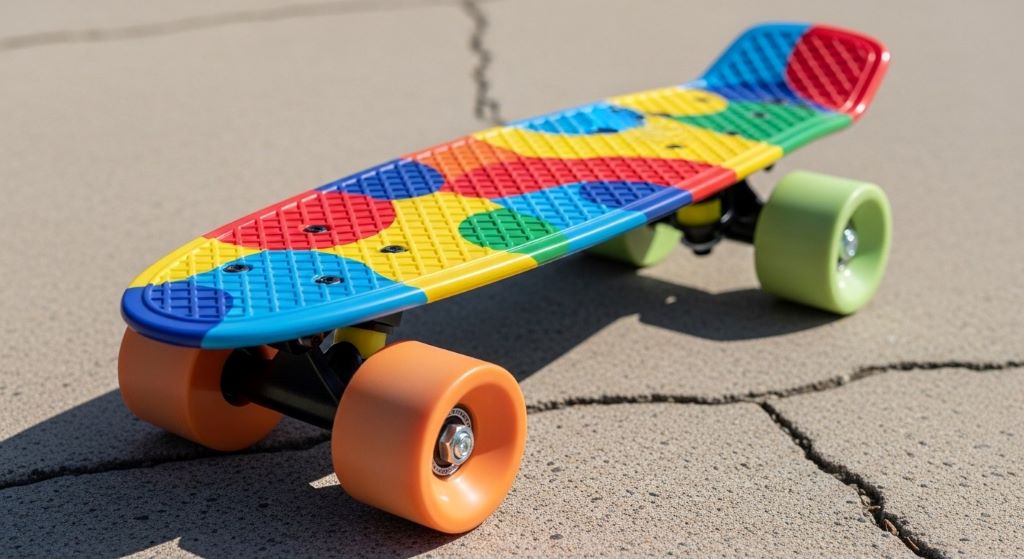
Choosing the right skateboard for your toddler can feel overwhelming. The market offers countless options, and parents naturally want to make the safest, most practical choice. Understanding which features truly matter helps you select equipment that supports your child’s development while keeping them safe during play.
Toddlers between ages two and five experience rapid physical and cognitive growth. Their skateboarding needs differ significantly from older children. Therefore, selecting age-appropriate features becomes essential for both safety and enjoyment.
Understanding Your Toddler’s Developmental Stage
Before examining specific skateboard features, consider your child’s current abilities. Most toddlers are still developing balance, coordination, and spatial awareness. They process information differently than older children and react more slowly to potential hazards.
Your toddler likely has a shorter attention span and less impulse control. These developmental characteristics influence which skateboard features will serve them best. Additionally, their smaller size and lighter weight require equipment designed specifically for their proportions.
Deck Size and Width Considerations
The skateboard deck forms the foundation of your toddler’s riding experience. Size matters tremendously at this age. A deck that’s too large becomes difficult to control, while an excessively small one offers insufficient standing room.
For toddlers, look for decks between 27 and 29 inches in length. Width should range from 6.5 to 7.5 inches. These dimensions provide adequate space for small feet while remaining manageable for developing motor skills.
The deck material also deserves attention. Maple wood remains the industry standard due to its durability and flexibility. However, some manufacturers now produce decks from bamboo or composite materials that offer similar performance with different environmental impacts.
The Importance of Proper Wheel Selection
Wheels significantly impact how your toddler’s skateboard performs. Soft wheels skateboard options provide distinct advantages for beginning riders. These wheels offer superior grip and shock absorption compared to harder alternatives.
Durometer ratings measure wheel hardness. Lower numbers indicate softer materials. For toddlers, wheels rated between 78A and 87A work exceptionally well. These soft wheels skateboard configurations absorb bumps from sidewalk cracks and small debris, creating a smoother ride.
Softer wheels also reduce speed, which actually benefits toddler riders. The slower pace gives young children more time to react and maintain balance. Furthermore, these wheels operate more quietly, making indoor practice sessions more feasible.
Wheel diameter affects ride quality as well. Smaller wheels between 50mm and 54mm suit toddlers best. They lower the deck closer to the ground, improving stability and making it easier for little ones to push off.
Grip Tape Selection for Small Riders
The top surface of the skateboard deck typically features grip tape. This sandpaper-like material helps riders maintain foot placement. However, not all grip tape serves toddlers equally well.
Standard grip tape can be quite abrasive. While this provides excellent traction for experienced riders performing tricks, it can scrape tender toddler skin during falls. Some manufacturers now offer grip tape kids versions with slightly less aggressive textures.
These specialized grip tape kids options still provide adequate traction while being gentler on young skin. Some feature colorful designs or graphics that appeal to children, potentially increasing their enthusiasm for the sport.
However, grip shouldn’t be compromised entirely. Your toddler still needs sufficient traction to feel secure on the board. Look for products that balance safety with skin-friendliness. Reading reviews from other parents often provides insight into which products achieve this balance effectively.
Truck Quality and Stability Features
Trucks are the metal T-shaped components that attach wheels to the deck. They enable turning and affect overall stability. For toddlers, truck width should match the deck width to ensure proper balance.
Truck tightness can be adjusted using the kingpin bolt. Tighter trucks provide more stability but reduce turning ability. For beginning toddlers, slightly tighter trucks help prevent the board from turning too sharply, which could cause falls.
Some toddler skateboards feature trucks made from lighter materials. This reduces overall board weight, making it easier for small children to carry and maneuver their equipment.
Weight Capacity and Board Construction
Even though toddlers weigh relatively little, weight capacity still matters. A well-constructed board should easily support your child’s weight plus some margin for growth. Most toddler skateboards can handle 50 to 75 pounds safely.
Construction quality affects longevity and safety. Check for secure attachments between trucks and deck. Hardware should be properly tightened and show no signs of stripping. The deck itself should flex slightly under pressure but not feel flimsy or show cracks.
Safety Features Beyond Basic Construction
Many modern toddler skateboards incorporate additional safety features. Some include wider decks at the tail for easier foot braking. Others feature kicktails designed with gentler angles, reducing the likelihood of the board flipping up unexpectedly.
Reflective elements on the deck or wheels increase visibility during evening play. While toddlers shouldn’t skateboard in low-light conditions, these features add an extra safety layer.
Portability and Storage Considerations
Parents often overlook practical considerations like portability. Toddler skateboards should be light enough for your child to carry short distances. Most quality options weigh between 3 and 5 pounds.
Consider how you’ll transport and store the skateboard. Some families keep boards in the garage, while others need options suitable for apartment living. Smaller decks naturally require less storage space.
Aesthetic Appeal and Design Elements
While functionality takes priority, appearance matters to toddlers. Bright colors, fun graphics, and favorite characters can motivate reluctant riders. However, ensure design elements don’t compromise safety features.
Some decorative elements can actually enhance safety. Bright colors improve visibility to others in shared spaces like parks or sidewalks. Graphics can also help toddlers identify proper foot placement, though this benefit diminishes as they gain experience.
Price Range and Value Assessment
Toddler skateboards range from budget options around twenty dollars to premium models exceeding one hundred dollars. Price doesn’t always indicate quality, but extremely cheap boards often use inferior materials that compromise safety.
Mid-range options between forty and seventy dollars typically offer the best value. These boards use quality components while remaining affordable enough that parents don’t feel devastated when toddlers inevitably outgrow them.
Consider the cost-per-use calculation. A slightly more expensive board that lasts through multiple developmental stages may prove more economical than replacing cheaper options repeatedly.
Brand Reputation and Customer Reviews
Established skateboard brands often produce toddler-specific lines with proven safety records. However, newer companies sometimes offer innovative features worth considering. Research customer reviews focusing specifically on durability, safety, and age appropriateness.
Pay attention to reviews mentioning how long the skateboard lasted and whether components needed replacement. Comments about customer service can also prove valuable if you encounter issues.
Helmet and Protective Gear Integration
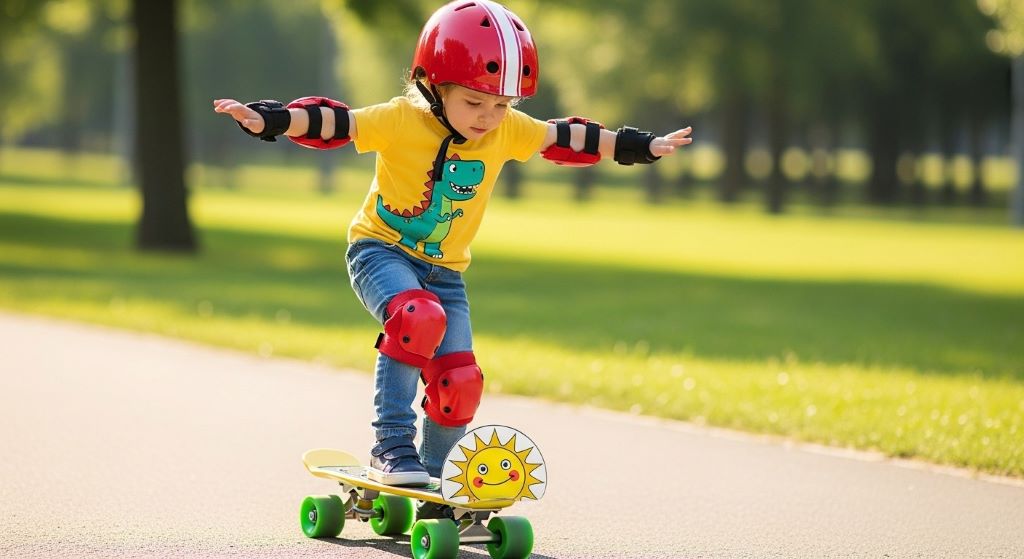
While not part of the skateboard itself, safety gear deserves mention when discussing toddler skateboarding. Always pair any skateboard purchase with appropriate protective equipment. Helmets should fit snugly and meet safety certification standards.
Knee pads, elbow pads, and wrist guards provide additional protection. Some toddlers resist wearing gear initially. Choosing equipment in favorite colors or featuring beloved characters sometimes helps overcome this resistance.
Assembly and Maintenance Requirements
Some toddler skateboards arrive fully assembled, while others require setup. If you lack mechanical aptitude, pre-assembled options save frustration. However, assembling a skateboard yourself ensures proper tightening and allows you to inspect all components.
Regular maintenance keeps toddler skateboards safe and functional. Check hardware tightness weekly during active use periods. Inspect wheels for wear and debris. Clean bearings occasionally to ensure smooth rolling.
Environmental Conditions and Terrain Suitability
Consider where your toddler will primarily ride. Smooth indoor surfaces, driveways, and skateparks require different features than rough sidewalks or paths. Softer wheels handle varied terrain better, while harder wheels excel on smooth surfaces.
Weather resistance matters for outdoor storage. Some materials resist moisture better than others. If you live in humid climates or lack covered storage, consider how weather exposure might affect board longevity.
Growth and Skill Progression
Toddlers grow and develop skills rapidly. Some parents prefer boards that adjust or grow with their child. However, most toddlers will eventually need size-appropriate upgrades regardless of adjustable features.
Balance your desire for longevity with the importance of proper sizing at each developmental stage. An ill-fitting board can hinder skill development and reduce enjoyment, potentially discouraging your child from continuing the activity.
Making Your Final Decision
Armed with knowledge about essential features, you can make an informed choice. Prioritize safety features like appropriate deck size, quality construction, and suitable wheel hardness. Then consider practical factors like weight, portability, and price.
Remember that the “best” skateboard varies by individual child. Your toddler’s personality, physical development, and interests should guide your selection. A board that excites your child and matches their abilities will see more use than technically superior equipment that doesn’t engage them.
Conclusion
Selecting a toddler skateboard requires balancing numerous factors. Deck size, wheel softness, grip texture, truck stability, and construction quality all contribute to your child’s safety and enjoyment. Understanding your toddler’s developmental stage helps you prioritize features appropriately.
Focus on equipment designed specifically for young riders rather than simply choosing smaller versions of adult boards. Features like soft wheels and gentler grip tape make significant differences in the toddler experience. While aesthetics and price matter, never compromise safety for appearance or cost savings.
The right skateboard supports your toddler’s physical development while introducing them to an activity they can enjoy for years. Take time to research options, read reviews, and consider your child’s unique needs. Your careful selection lays the foundation for positive early skateboarding experiences that may foster lifelong enjoyment of the sport.
Frequently Asked Questions
What age is appropriate to start skateboarding?
Most children can begin skateboarding between ages two and three, depending on their balance and coordination development. Always supervise toddler skateboarding sessions and ensure proper safety equipment is worn. Start with simple activities like standing on a stationary board before progressing to movement.
How often should I replace my toddler’s skateboard?
Replace skateboards when your child outgrows the deck size, typically every 12 to 18 months during the toddler years. Also replace boards showing signs of damage like cracks, loose components, or excessive wheel wear. Regular inspection helps you identify when replacement becomes necessary.
Can toddlers use regular skateboards?
Toddlers should not use regular skateboards designed for older children or adults. Standard skateboards have decks too large for toddler proportions, harder wheels that move too quickly, and features inappropriate for developing motor skills. Age-appropriate equipment significantly improves safety and learning success.
What’s the difference between skateboard and longboard for toddlers?
Toddler skateboards have shorter decks (27-29 inches) with kicktails, while longboards feature longer decks (30+ inches) without tails. For most toddlers, traditional skateboards work better because they’re easier to control and more maneuverable. Longboards may suit some older or taller toddlers who prefer cruising over tricks.
How do I teach my toddler skateboard safety?
Start by establishing rules: always wear a helmet and pads, only skate in designated areas away from traffic, and never push beyond comfort levels. Demonstrate proper falling techniques and practice on flat, smooth surfaces initially. Make safety discussions positive and age-appropriate rather than fear-based, and always model safe behavior yourself.
Related Topics:
How to Teach Kids the Fall Seven Times Lesson
How to Style a Band Tee Without Looking Childish