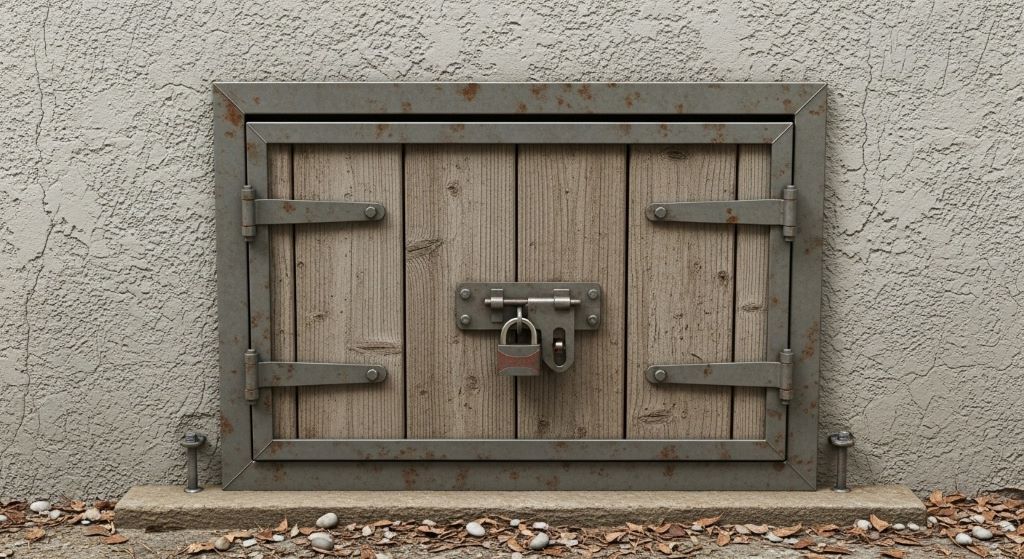
Crawl space doors provide essential access to your home’s foundation area. However, these exterior entry points present numerous safety hazards that homeowners often overlook. Understanding these risks helps protect your family, pets, and property from potential dangers.
Understanding Crawl Space Exterior Access Points
Crawl spaces exist beneath many homes, typically measuring 18 inches to 4 feet in height. These areas house plumbing, electrical wiring, HVAC systems, and structural supports. Exterior access doors allow entry without going through the main house.
Most crawl space doors measure between 16 and 24 inches square. They install flush with exterior walls or foundation perimeters. Therefore, they become vulnerable to weather exposure, unauthorized entry, and deterioration over time.
Traditional crawl space doors use wood, metal, or plastic materials. Each material presents distinct safety challenges requiring specific maintenance approaches. Additionally, door location affects accessibility and security considerations.
Structural Integrity and Deterioration Risks
Wood crawl space doors deteriorate rapidly when exposed to moisture. Rot weakens the structural integrity, creating collapse hazards during entry or exit. Termites and carpenter ants target weakened wood, accelerating damage progression.
Metal doors resist rot but suffer from rust and corrosion. Coastal environments particularly accelerate metal deterioration through salt air exposure. Rusted hinges become weak points that fail unexpectedly, potentially trapping someone inside the crawl space.
Plastic doors offer moisture resistance but crack under temperature extremes. Winter freezing followed by summer heat causes material fatigue. Cracked doors develop sharp edges that pose laceration risks during handling.
Regular inspections identify deterioration before complete failure occurs. However, many homeowners neglect crawl space maintenance until obvious problems emerge. Therefore, establishing quarterly inspection schedules prevents dangerous structural failures.
Child and Pet Safety Hazards
Unsecured crawl space doors attract curious children exploring their surroundings. Young children can become trapped inside dark, confined spaces without adult supervision. Additionally, limited air circulation in sealed crawl spaces creates suffocation risks.
Crawl space environments contain dangerous elements including exposed wiring, sharp metal, and toxic substances. Pest control products stored in these areas pose poisoning hazards. Furthermore, mold spores and fiberglass insulation cause respiratory problems when disturbed.
Pets squeeze through partially open doors and become disoriented in cramped darkness. Dogs and cats may encounter wild animals sheltering in crawl spaces, resulting in injuries. Moreover, pets trapped overnight risk dehydration and temperature exposure.
Childproof locks prevent unauthorized access by young family members. Spring-loaded latches require adult strength to operate effectively. Installing these safety devices dramatically reduces accidental entry incidents.
According to This Old House, proper crawl space maintenance and secure access prevent numerous household safety issues.
Unauthorized Entry and Security Vulnerabilities
Crawl space doors provide potential entry points for intruders. Many exterior doors lack adequate locking mechanisms or rely on simple latches. Therefore, they become easy targets for break-ins and unauthorized access.
Burglars use crawl spaces to access main floor areas through interior vents or floor openings. The confined space provides cover while attempting entry into living areas. Additionally, valuable copper plumbing and electrical wiring attract metal thieves.
Homeless individuals sometimes seek shelter in accessible crawl spaces during extreme weather. While sympathetic situations exist, unauthorized occupation creates liability concerns for homeowners. Furthermore, fires started for warmth pose catastrophic risks to property.
Teenagers and trespassers may use crawl spaces for drinking, drug use, or storage of stolen items. These activities create legal complications and dangerous conditions. Moreover, discovering such misuse often comes too late to prevent property damage.
Heavy-duty padlocks and hasps provide basic security upgrades. Smart locks with activity monitoring offer advanced protection and access logging. Installing motion-sensor lighting near crawl space doors deters unauthorized approach attempts.
Moisture and Mold Exposure Dangers
Crawl spaces naturally accumulate moisture from ground seepage and condensation. Improperly sealed doors allow additional water intrusion during rainfall. Consequently, standing water creates ideal mold growth conditions within 24-48 hours.
Black mold produces mycotoxins that cause serious health problems when inhaled. Symptoms include respiratory distress, chronic headaches, and neurological issues. Additionally, prolonged exposure particularly affects children, elderly individuals, and those with compromised immune systems.
Workers entering moldy crawl spaces without protective equipment risk immediate health impacts. Disturbed mold spores become airborne and travel into living spaces through floor gaps. Therefore, professional remediation becomes necessary once extensive growth occurs.
Weatherstripping around crawl space doors reduces moisture infiltration. Properly graded exterior drainage directs water away from foundation areas. Installing vapor barriers on crawl space floors minimizes ground moisture rising into the space.
Ventilation systems equipped with dehumidifiers maintain optimal humidity levels below 60 percent. However, sealed crawl space designs with conditioned air increasingly replace traditional vented approaches. These systems require properly sealed access doors to function effectively.

Pest and Wildlife Intrusion Problems
Gaps around poorly fitted crawl space doors invite pest infiltration. Mice require openings as small as a quarter-inch to enter. Rats, raccoons, and opossums exploit larger gaps with ease.
Rodents nesting in crawl spaces chew electrical wiring, creating fire hazards. Their droppings spread diseases including hantavirus and leptospirosis. Additionally, decomposing rodent carcasses produce foul odors permeating into living areas.
Snakes enter crawl spaces pursuing rodent prey or seeking cool shelter during hot weather. Venomous species pose bite risks to unsuspecting homeowners during maintenance visits. Furthermore, snake presence indicates existing pest problems requiring attention.
Termite colonies establish themselves through exterior crawl space doors with damaged seals. These insects cause billions in structural damage annually across the United States. Early detection through regular inspections prevents extensive repair costs.
Door sweeps and weatherstripping eliminate entry gaps when properly installed. Stainless steel mesh covers larger openings while maintaining ventilation. Regular perimeter inspections identify new gaps before pests discover them.
Environmental Hazards and Toxic Exposure
Radon gas accumulates in crawl spaces through soil infiltration. This radioactive gas causes lung cancer with prolonged exposure. Improperly sealed crawl space doors allow radon migration into living areas above.
Testing kits measure radon concentrations in crawl spaces and main floors. Levels exceeding 4 picocuries per liter require mitigation systems. Therefore, sealed crawl space doors become critical components of radon reduction strategies.
Asbestos insulation exists in many older homes built before 1980. Disturbing this material releases carcinogenic fibers into the air. Workers entering crawl spaces without knowing about asbestos presence risk serious health consequences.
Lead paint on older crawl space doors flakes off, creating ingestion hazards. Children touching contaminated surfaces and then placing hands in mouths experience lead poisoning. Additionally, sanding or scraping lead paint releases dangerous dust.
Professional testing identifies environmental hazards before undertaking crawl space work. Certified contractors handle asbestos and lead paint remediation safely. Homeowners should never attempt DIY removal of these hazardous materials.
Trip and Fall Accident Risks
Crawl space door locations often create tripping hazards in walkways and yards. Flush-mounted doors blend with surroundings, becoming invisible during nighttime or inclement weather. Therefore, visitors and residents stumble over raised door frames unexpectedly.
Overgrown vegetation conceals crawl space doors from view. Annual plants and weeds quickly cover seldom-used access points. Additionally, snow accumulation hides door locations during winter months.
Slippery surfaces around exterior doors increase fall risks during wet conditions. Metal doors become particularly hazardous when covered with morning dew or ice. Injuries from falls near ground level still cause sprains, fractures, and head trauma.
Reflective paint or markers increase door visibility during low-light conditions. Landscape lighting directed at access points improves nighttime safety. Maintaining clear zones around doors prevents vegetation concealment.
Anti-slip tape applied to metal door surfaces provides traction during wet weather. Textured paint offers similar benefits on wood and plastic doors. These simple modifications significantly reduce slip-and-fall incidents.
Proper Installation and Maintenance Practices
Correctly installed crawl space doors sit level with proper weatherstripping all around. Frames should anchor securely to foundation walls using appropriate fasteners. Loose installations allow movement that damages seals and creates gaps.
Hinges require regular lubrication to prevent binding and ensure smooth operation. Stiff hinges increase injury risk when doors suddenly release under pressure. Additionally, worn hinges fail unexpectedly, potentially causing door collapse.
Latches and locks need periodic testing to verify proper function. Corroded mechanisms fail when needed most, trapping workers inside crawl spaces. Therefore, replacing marginal hardware before complete failure maintains safety.
Annual maintenance schedules should include crawl space door inspections and repairs. Spring inspections after winter weather identify cold-damage issues. Fall inspections prepare doors for upcoming harsh conditions.
According to Family Handyman, proper installation techniques ensure crawl space doors function safely and effectively for years.
Emergency Preparedness and Escape Planning
Workers entering crawl spaces should never go alone. A partner outside monitors the situation and provides emergency assistance if needed. Additionally, establishing check-in intervals ensures timely response to problems.
Communication devices allow trapped individuals to call for help. Cell phones may lack signal in enclosed spaces, making two-way radios preferable. Furthermore, whistles provide non-electronic backup signaling methods.
Flashlights and headlamps become essential when crawl space lighting fails. Extra batteries stored in waterproof containers ensure backup power availability. Moreover, glow sticks provide emergency lighting without battery dependence.
First aid kits positioned near crawl space entrances enable quick injury response. Kits should include supplies for cuts, punctures, and respiratory issues. Regular kit inspections maintain supply freshness and completeness.
Emergency contact information posted near access doors facilitates rapid response. Lists should include poison control, fire department, and utility company numbers. Therefore, any responder can quickly obtain necessary assistance.
Conclusion
Crawl space door exterior access points present numerous safety concerns requiring proactive management. Structural deterioration, unauthorized entry, child safety, pest intrusion, and environmental hazards all demand attention. Regular inspections, proper maintenance, and security upgrades protect families from these dangers. Additionally, understanding trip hazards, toxic exposures, and emergency preparedness enhances overall safety. Homeowners who address these concerns create safer properties while protecting their investments. Therefore, making crawl space door safety a priority prevents accidents, health issues, and property damage.
Frequently Asked Questions
What type of lock is best for securing a crawl space door?
Heavy-duty padlocks with hardened steel shackles provide excellent security for crawl space doors. Marine-grade locks resist weather corrosion better than standard models. Additionally, smart locks with activity monitoring offer advanced security and access logging capabilities.
How often should I inspect my crawl space door?
Inspect crawl space doors quarterly to identify deterioration, pest entry, and security issues early. Conduct additional inspections after severe storms or extreme temperature events. Annual professional inspections provide comprehensive assessments of both doors and crawl space conditions.
Can children actually get trapped in crawl spaces through exterior doors?
Yes, children can easily become trapped in crawl spaces when doors close or latch behind them. Dark, confined spaces disorient young children, preventing them from finding exits. Therefore, childproof locks and regular door checks are essential safety measures.
What are signs my crawl space door needs replacement?
Replace doors showing extensive rot, rust, cracks, or gaps that cannot seal properly. Doors with failed hinges, broken latches, or significant warping compromise security and weather protection. Additionally, doors that no longer fit their frames correctly require replacement.
Do I need ventilation if my crawl space door seals tightly?
Sealed crawl space designs require alternative ventilation systems or conditioned air supply from HVAC systems. Traditional vented crawl spaces need foundation vents separate from access doors. Therefore, consult foundation specialists to determine appropriate ventilation for your specific situation.
Related Topics:
Cheap Home Decor Ideas for a Fresh Start: Budget-Friendly Inspiration for a Renewed Space