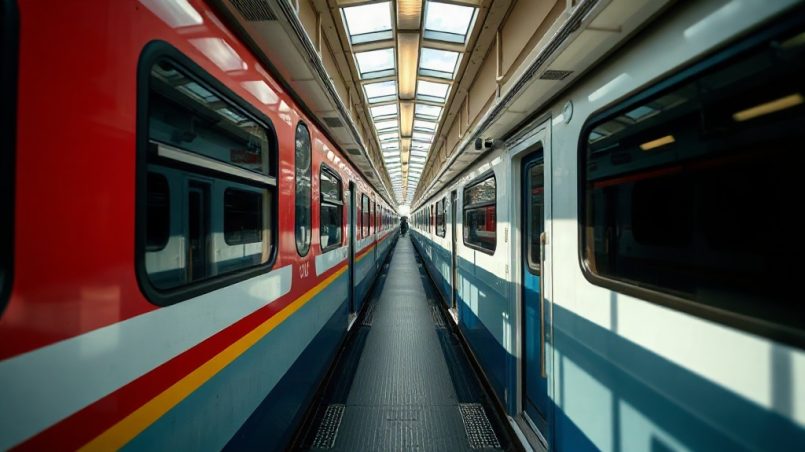
The train vs drive question comes up the moment you plan a trip between Miami, Orlando, Tampa, or Jacksonville. Florida looks compact on a map, yet the state stretches roughly 450 miles from the Keys to the Georgia border. That distance changes everything. This guide walks through the real trade-offs so you can pick the option that fits your trip, not the one that sounds best in theory. For anyone curious about the state’s design culture, Miami Signature Designs covers the local aesthetic that shapes its cities.
Quick answer: Choose the train when your route falls on the existing corridor, such as Miami to West Palm Beach or Orlando to Tampa, and you want to work or rest instead of watching traffic. Choose the car when you need to reach beaches, parks, or towns beyond the rail line. Budget your time around the whole trip, not just the miles.
What is train vs drive?
At its core, the comparison is simple. Driving means you control the schedule, the stops, and the route. Rail travel means someone else handles the road while you sit back. In Florida, that choice plays out differently depending on which cities you connect.
The state’s passenger rail network has grown. Brightline runs between Miami and Orlando with stops that include Fort Lauderdale, Boca Raton, and West Palm Beach. Amtrak’s Silver Service links Miami, Orlando, Tampa, and Jacksonville on longer routes. Local systems like Tri-Rail serve the Miami-to-Mangonia Park corridor. Each option has its own rhythm, price structure, and station location.
Driving covers the same ground on a highway network anchored by I-95 on the east coast and I-75 through the center and west. A Miami-to-Orlando drive is about 235 miles. A Miami-to-Tampa trip runs closer to 280 miles. Those numbers look manageable until you factor in traffic near major metro areas.
Speed limits and road conditions matter less than timing. A drive that takes three and a half hours at 6 a.m. can stretch past five hours during rush hour or a holiday weekend. Rail times stay more predictable because trains follow a fixed schedule.
How the two options differ in practice
The differences show up in three areas: control, cost structure, and door-to-door time.
- Control: A driver picks every stop, detour, and departure time. A rail passenger works around a published timetable.
- Cost: Driving spreads expenses across fuel, tolls, parking, and wear on the car. Rail bundles the fare into one ticket, though you still pay to reach the station and leave it.
- Door-to-door time: Station-to-station rail times often beat driving on paper. Add travel to and from each station, and the gap narrows.
A useful habit is to compare full trips, not segments. The train may take three hours between two cities, but if you need forty minutes to reach the station and another thirty to your hotel, the real figure is closer to four hours. The same logic applies to parking at your destination.
Takeaway: Rail wins on predictability and comfort over medium distances. Driving wins on flexibility and reach. The right answer depends on where you start and finish, not just the miles between.
Why train vs drive matters
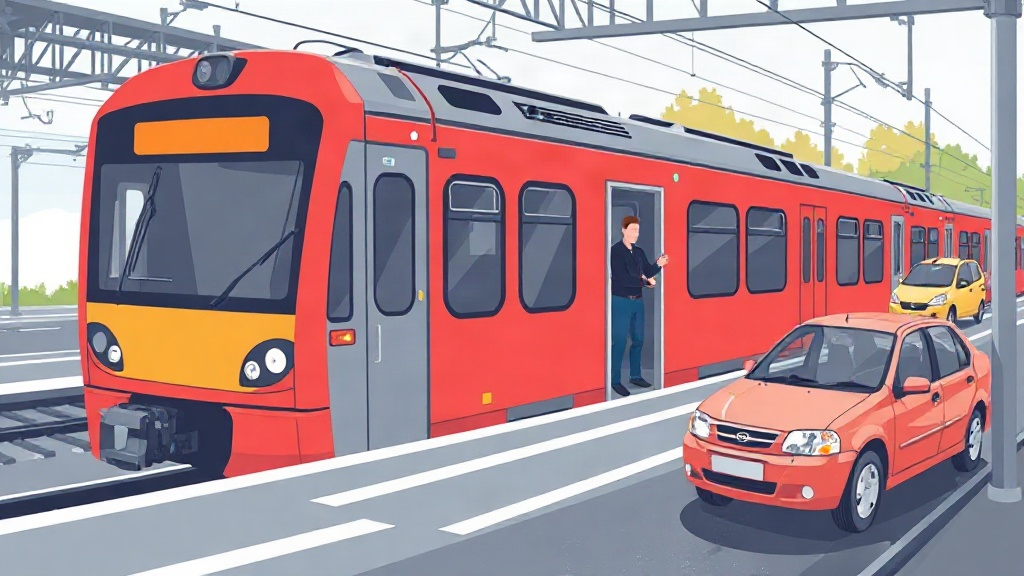
Time and money are the obvious reasons this choice deserves attention. There are quieter ones too.
First, stress has a real cost. Long drives on unfamiliar highways, especially in heavy rain or evening traffic, wear people down. Arriving tired changes how the first day of a trip feels. A train seat lets you read, work, or sleep, and you step off closer to your normal energy level.
Second, parking shapes the whole experience in dense areas. Downtown Miami and Miami Beach charge premium rates, and garages fill quickly during events. A traveler arriving by rail skips the search entirely. That convenience often offsets part of the ticket price.
Third, environmental impact matters to many travelers. Rail moves more people per unit of energy than a single-occupancy car. If sustainability is part of your decision, the train has a clear edge on routes it serves.
Comparison: Train vs Drive on a Typical Florida Route
The table below compares a mid-length trip such as Miami to Orlando. Figures are approximate and vary by date, fare class, and traffic.
| Factor | Train | Drive |
|---|---|---|
| Typical travel time | About 3.5 hours station to station | About 3.5 to 5 hours depending on traffic |
| Cost structure | One fare per person | Fuel, tolls, parking shared across passengers |
| Flexibility | Fixed departures | Depart whenever you choose |
| Luggage | Carry-on limits apply | Limited only by the vehicle |
| Arrival experience | Near city centers | Wherever you find parking |
Notice that the time difference is small. The bigger gaps appear in cost per person and in how much control you keep. A solo traveler often finds rail competitive. A family of four usually finds driving cheaper once fares multiply.
The same trip can favor either option depending on who travels. Compare total cost, not per-person cost, before deciding.
Takeaway: Weigh stress, parking, and group size alongside price. The fastest option is not always the least tiring one.
Best practices
Good decisions start before you book anything. A few habits make the train vs drive choice much easier.
Plan the full door-to-door trip
Write down four times: when you leave home, when you arrive at your destination, and the same pair for each option. Include station transfers, parking walks, and security lines if any apply. This single exercise settles most debates.
Book rail early on busy weekends
Popular departures fill up around holidays and major events. Booking a week or two ahead usually gives you better fares and more seat choices. Walk-up tickets cost more and may leave you standing.
Check station locations against your real destination
A station in the city center is only useful if your hotel is nearby. Some stations sit on the edge of town, which means a rideshare or bus ride after arrival. Map that final leg before you commit.
Budget parking honestly
Airport and downtown parking can run high per day. Add that figure to your fuel estimate. A rental car for a multi-day trip adds its own daily rate on top.
Keep a buffer for connections
Trains can run late, and traffic can surprise you. Leave at least thirty to sixty minutes between arrival and any fixed appointment. This applies whether you drive or ride.
Know the distance before you choose
Understanding the actual mileage helps you judge whether rail even serves your route. If you are weighing a theme park trip, it helps to know how far is Orlando from Miami before comparing schedules.
Takeaway: Measure the complete journey, book ahead, and verify station access. These small steps prevent most travel-day surprises.
Common mistakes to avoid
Most frustration comes from a handful of avoidable errors. Here are the ones that show up most often.
Comparing only the headline travel time
A three-hour train ride sounds faster than a four-hour drive. Ignore the trip to the station and the ride from it, and the math misleads you. Always compare full door-to-door time.
Forgetting that fares are per person
A single ticket price looks reasonable. Multiply it by four for a family, and driving often wins on cost. Run the numbers for your actual group size.
Assuming every Florida city has rail service
The rail map is not a full web. Many beach towns, state parks, and smaller cities have no station at all. A car may be the only practical way to reach them.
Underestimating holiday traffic
Thanksgiving, spring break, and summer weekends turn some highways into parking lots. A route that moves smoothly on a Tuesday can crawl on a Friday afternoon.
Skipping the parking plan
Arriving without a reserved spot in a busy district wastes time and money. Check garage rates and availability ahead of your trip.
Packing without checking luggage rules
Rail carriers set carry-on limits and storage rules. Overpacking means awkward juggling at the platform. Confirm the policy before you leave home.
One-way rentals between Florida cities often carry drop-off fees. Confirm the total before you book, or you may pay more than the train fare.
Takeaway: Avoid these errors by planning for the whole trip. Most travel stress comes from gaps in the plan, not from the transport itself.
FAQ
Is the train cheaper than driving in Florida?
It depends on group size and route. A solo traveler often pays less by rail once parking and tolls are counted. Groups of three or more usually find driving cheaper because the car cost splits across passengers.
How long does the train take between Miami and Orlando?
Brightline covers the route in roughly three and a half hours station to station. Add time to reach the Miami station and to leave the Orlando station. Driving the same distance takes about three and a half to five hours depending on traffic.
Can I reach Florida beaches without a car?
Some beach areas sit within walking or rideshare distance of a station. Many others do not. Check the final leg before you book, because a rental car or rideshare may still be necessary at your destination.
What happens if my train is delayed?
Delays happen, so build a buffer around any fixed plans. Keep important appointments at least an hour after your scheduled arrival. Flexible leisure trips handle delays far more easily than tight business schedules.
Should I drive or take the train for a day trip?
Short day trips usually favor driving because you keep full control of timing. Rail works well when both cities sit on the same line and your schedule fits a published departure.
Conclusion
The choice between rail and road comes down to four factors: your route, your group size, your tolerance for traffic, and how much you value arrival comfort. The train shines on the corridor it serves, especially for solo travelers and anyone who wants to work or rest along the way. Driving remains the practical option for beaches, parks, and smaller towns beyond the rail map. Compare full door-to-door times and total costs, then book early if you choose rail. Pick your destination city and dates this week, run both numbers side by side, and lock in the option that leaves you arriving relaxed.