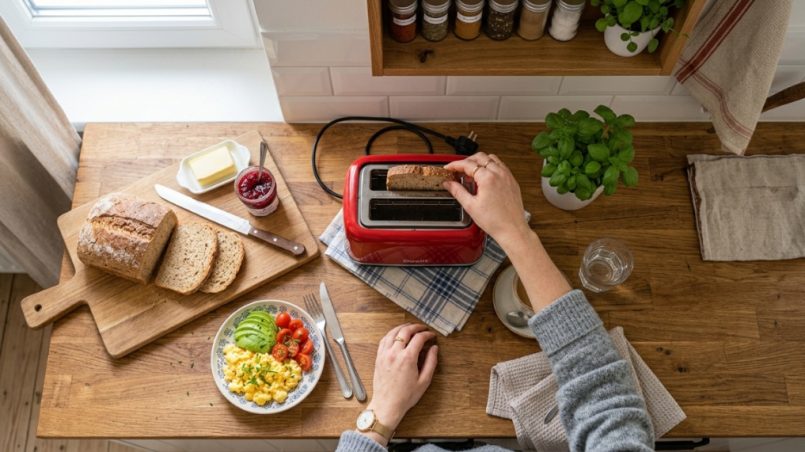
If your kitchen counter is down to a sliver of free space between the coffee maker and knife block, a full-size four-slice toaster is probably not an option. Yet you still want evenly browned toast, bagels, or waffles without wrestling with a clunky appliance every morning. The challenge is finding a unit that performs like a standard toaster while taking up as little room as possible. The best compact toaster for limited counter space balances a small footprint, reliable browning, and practical features that fit how you actually cook. This guide breaks down what matters most when choosing a space-saving toaster, what to avoid, and how to pick the right model for your kitchen.
Key Takeaways
- The best compact toaster for limited counter space should be judged first by footprint, then by slot size, toast performance, and ease of cleaning — in that order.
- A 2-slice slim toaster generally suits small kitchens best, but you must check the slot depth and width to ensure it handles thicker bread and bagels.
- Look for adjustable browning with consistent results across multiple cycles, not just a dial that looks good but toasts unevenly.
- Crumb tray access, cord management, and vertical storage capability make a surprisingly big difference when counter space is tight.
Why a Standard Toaster Wastes Counter Space
Traditional toasters are built around a simple design: two or four slots stacked side by side, with a wide body that often extends deeper than necessary. A typical four-slice toaster can measure 10 to 12 inches wide, 8 to 10 inches deep, and 7 to 8 inches tall. That is a substantial block of plastic and metal occupying permanent real estate on your counter.
Many 2-slice models are not much better. Some manufacturers add oversized levers, wide bases, or extra features like defrost buttons and bagel settings that increase the overall depth. If you have a galley kitchen or a small apartment counter, every inch matters. A compact toaster for limited counter space is not just smaller — it is designed with a narrower width and shallower depth so it can slide under upper cabinets or fit into tight corners without looking awkward.
Another factor is heat management. Toasters require clearance around them to vent heat safely. A wide model placed next to a wall or appliance may not have enough airflow, which can lead to uneven toasting or even a fire hazard. A truly compact design with a narrow profile gives you more flexible placement options without sacrificing safety.
What Makes a Toaster Truly Compact?
Several manufacturers claim their products are “slim” or “space-saving,” but the reality varies. It is essential to look beyond the product name and check actual dimensions.
Footprint and Depth Measurements
The most important measurement is the depth of the toaster, not just the width. Many so-called slim toasters are narrow but surprisingly deep. That depth is what pushes the appliance forward on your counter, taking up valuable workspace. A shallow-depth model — around 6 to 7 inches — sits closer to the wall and frees up more counter area in front of it.
Also, check the height. If you plan to store the toaster under a cabinet, the height matters as much as the footprint. Some compact toasters are designed specifically to be low-profile, while others still have a tall enough body to cause clearance problems.
Weight and Portability
Compact doesn’t automatically mean lightweight, but it often goes hand in hand. If you intend to move the toaster between a counter and a cupboard or shelf after each use, weight is a real consideration. Models under three pounds are easier to handle, while sturdier units with more metal components may be heavier but give better toast quality. Decide whether you want a permanent fixture or a store-away appliance.
Critical Features to Evaluate Before Buying
Once you have confirmed the dimensions are genuinely slim, the next step is evaluating performance. A toaster that saves space but burns your bread in the morning is not worth the trade-off.
Browning Control and Consistency
Look for a toaster with at least six browning levels. Models with more levels give you finer control, which helps if you like everything from lightly golden sourdough to dark, crunchy rye. The bigger issue is consistency. The best compact toaster for limited counter space should toast evenly on both sides across multiple cycles in a row, not just the first time when the machine is cold.
Slot Dimensions and Bread Capacity
Compact toasters often have shorter or narrower slots than their full-size counterparts. If you eat artisan bread, thick bagels, or waffles, you need a slot that is at least 5 inches wide and 5 inches deep. Some slim toasters can handle only thin supermarket bread, which severely limits their usefulness. Check the manufacturer’s stated maximum bread thickness before buying.
Bagel and Defrost Functions
These features are not just gimmicks. A bagel setting that toasts only the cut side while warming the outer side makes a significant difference for breakfast quality. Defrost functions are useful if you freeze bread regularly. However, each added feature takes up internal space and may increase the overall size. Prioritize which functions you will actually use.
Easy-to-Clean Crumb Tray
Given the limited space under a compact toaster, crumbs tend to accumulate quickly on the counter. A pull-out crumb tray that slides out from the front or side is a small convenience that saves you from regularly flipping the toaster upside down to clean. Check whether the tray is accessible without moving the toaster too much.
One model worth considering if you want a reliable 2-slice option is the affordable Bella 2-slice slim toaster, designed specifically for kitchens with tight countertop areas. It provides a practical compact toaster for limited counter space when you need to keep things minimal without sacrificing basic toasting quality.
What Are the Trade-Offs of a Slim Toaster?
Every compact appliance comes with compromises. Being aware of them upfront helps you decide if a slim toaster is the right choice.
Limited Batch Capacity
The most apparent trade-off is that a compact 2-slice toaster handles less toast at once. For a household of one or two, this is rarely a problem. But if you regularly prepare breakfast for a family or host brunches, the slower throughput becomes frustrating. You will be doing multiple rounds. In that scenario, a slightly larger 4-slice model may be worth the extra counter space.
Shorter Lifespan of Heating Elements
Compact toasters house heating elements in a smaller space, which can mean higher heat density per cubic inch. In some budget models, this leads to faster element wear over time. Choosing a toaster from a reputable brand with decent warranty coverage reduces this risk, but it is worth knowing that you often get what you pay for with very cheap units.
Narrower Bagel Capacity
If you like bagels, note that some thin toasters cannot hold a full bagel half without the bagel sticking up above the slot rim and risking uneven toasting. Some compact models solve this by having extra-deep slots, but not all. Check user manual diagrams or look at the product photos to see how bagels sit inside the toaster.
How to Choose the Best Compact Toaster for Your Setup
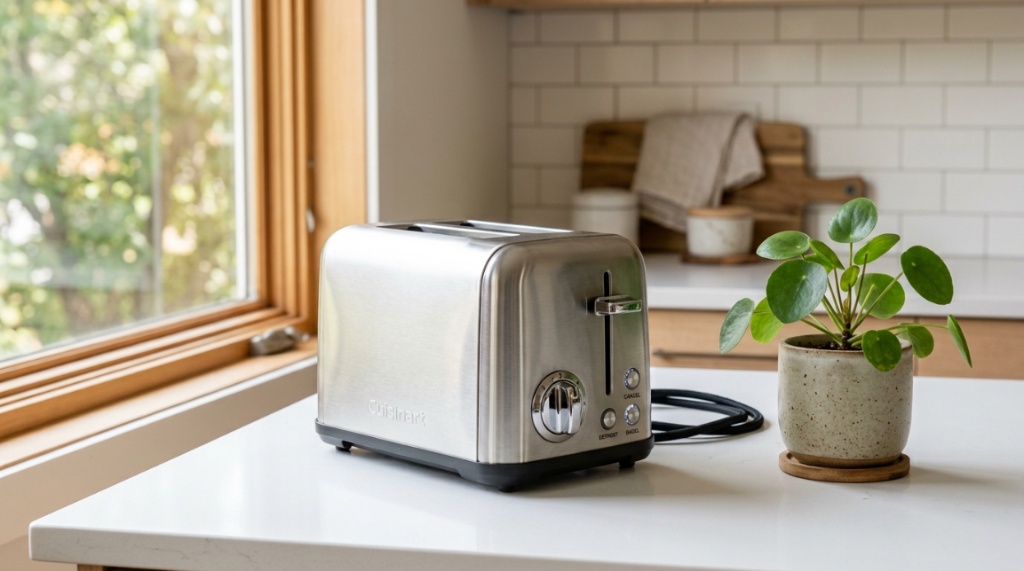
Choosing the right compact toaster requires thinking about your kitchen layout, your breakfast habits, and how long you expect the appliance to last.
Step 1: Measure Your Counter Space
Grab a tape measure and mark the exact area where the toaster will live. Account for a few extra inches of clearance on each side and above the toaster so heat can escape safely. Do not rely on your visual estimate of the space; measurements are more accurate, especially in tight kitchens.
Step 2: Define Your Toasting Needs
Make a list of what you will toast most often. Bread type, bagel frequency, and batch size all influence which model fits. For example:
- White or wheat sandwich bread only — any compact model works
- Thick-cut sourdough or brioche — you need deep and wide slots
- Bagels weekly — bagel-specific setting with deeper slots is important
- Two people eating toast simultaneously — you need consistent browning in consecutive cycles
Write these requirements down before browsing options. This prevents being swayed by marketing features that do not matter to you.
Step 3: Compare Dimensions That Matter Most
The three numbers to compare across models are width, depth, and height. Depth is the most critical for countertop space, followed by width for tight spots between other appliances. Height matters only if you store it on a shelf or under a cabinet.
Step 4: Read Reviews Critically
Customer reviews are helpful, but they need careful reading. Look for patterns across multiple reviews rather than focusing on one angry or overly enthusiastic opinion. Recurring complaints about uneven toasting or an unreliable lever mechanism are strong signals that a compact toaster may not be worth buying.
Making Room Without Sacrificing Performance
You do not need to resign yourself to burnt toast or bland breakfasts just because your countertop is crowded. The trick is approaching the purchase with clear priorities. Decide what matters most to you: the smallest possible footprint, the ability to toast bagels properly, or a machine that can handle frequent use over many years. The best compact toaster for limited counter space is ultimately the one that meets your specific requirements without forcing you to change your breakfast habits.
Also, consider how the toaster interacts with other small appliances on your countertop. If you own a kettle or a coffee maker, choose a toaster that fits into the remaining gap gracefully. Thinner designs with rounded corners and a neutral color palette tend to blend into small kitchens better than bulky, angular units that visually crowd the space, Upgrade your appliance setup by checking out our expert advice Read Kitchen Stand Mixer Reviews Before Buying to ensure every tool fits your culinary space.
Maintenance Tips for Prolonging Compact Toaster Life
Because compact toasters work harder per cubic inch than larger models, they benefit from regular maintenance.
- Empty the crumb tray after every few uses to prevent buildup near the heating elements.
- Use a soft brush or a dry cloth to remove debris from the slots when the toaster is cool.
- Avoid wrapping the cord tightly around the base, as this can damage the wires over time. Use the cord storage clips if available.
- Do not push the toaster flush against a wall. Leave several inches of clearance for proper ventilation.
With consistent care, even a budget-friendly slim toaster can last several years of daily use.
Frequently Asked Questions
Is a 2-slice toaster enough for a small household?
Yes. For one or two people, a 2-slice compact toaster is more than sufficient. It handles typical daily morning toast easily. If you host guests often, consider whether you can tolerate multiple rounds or need a larger model.
How much counter space does a compact toaster actually save?
Depending on the model, a compact toaster can be 2 to 4 inches narrower and 2 to 3 inches shallower than a standard toaster. While that does not sound dramatic, it can mean the difference between fitting comfortably under a cabinet or next to other appliances versus blocking your main prep area.
Can I toast bagels in a slim toaster?
You can, but only if the slot is deep enough. Look for a compact model with at least 5-inch deep slots and a bagel setting that reduces heat on the outside. If the slots are too shallow, the bagel may not fit fully or will toast unevenly.
Are expensive compact toasters worth the price?
Usually yes, if you use your toaster daily. Higher-end compact toasters use stronger heating elements, more reliable mechanisms, and better quality control over browning consistency. The extra cost is justified by longer lifespan and more even results.
How long should a compact toaster last?
With reasonable care and average daily use, a quality compact toaster should last 4 to 6 years. Budget models may last 2 to 3 years, while premium options can last over a decade. Crumb buildup is the most common cause of premature failure.
Conclusion
Finding the best compact toaster for limited counter space is about matching the appliance to the reality of your kitchen. Measure before you shop, consider how you like your bread and bagels, and prioritize features that genuinely affect your morning routine. A well-chosen slim toaster will not take over your counter while still delivering consistent, evenly browned toast every day. Focus on models with a truly shallow footprint, reliable browning control, and a practical crumb tray. With these guidelines in mind, you can confidently choose a toaster that fits both your space and your breakfast standards.