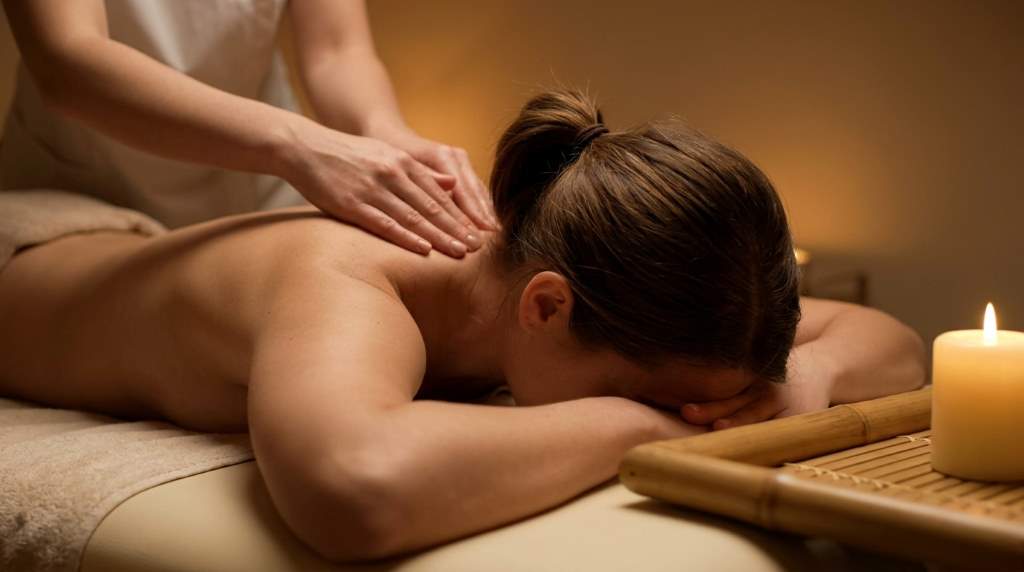
Most people walk into a spa without thinking about their breath. Yet research shows that controlled breathing can reduce cortisol levels by up to 50% during bodywork sessions. A 2024 survey by the American Massage Therapy Association found that clients who practiced mindful breathing reported 40% deeper relaxation than those who did not. Your breath is the silent tool that transforms a good massage into a truly restorative experience. Learning to use it correctly makes every technique your therapist applies more effective. We suggest visiting the laser hair removal in midtown Manhattan.
Why Your Breath Matters More Than You Think
Your nervous system responds directly to how you breathe. Shallow, rapid breaths keep your body in a low-level stress state. This tension works against the therapist’s hands and reduces muscle release. Slow, deliberate breathing activates your parasympathetic nervous system immediately. It signals your muscles to soften and your mind to quiet down. Visit the best anti aging facial in midtown Manhattan to get the best care for anti-aging.
The Science Behind Breath and Muscle Release
When you inhale deeply, your diaphragm drops and your core pressure shifts. This physical change loosens the fascia surrounding your muscles. Therapists often time their pressure to your exhale for this exact reason. On the exhale, muscle fibers are most receptive to manipulation. Understanding this rhythm helps you become an active participant in your own healing.
How to Breathe Before Your Massage Even Starts
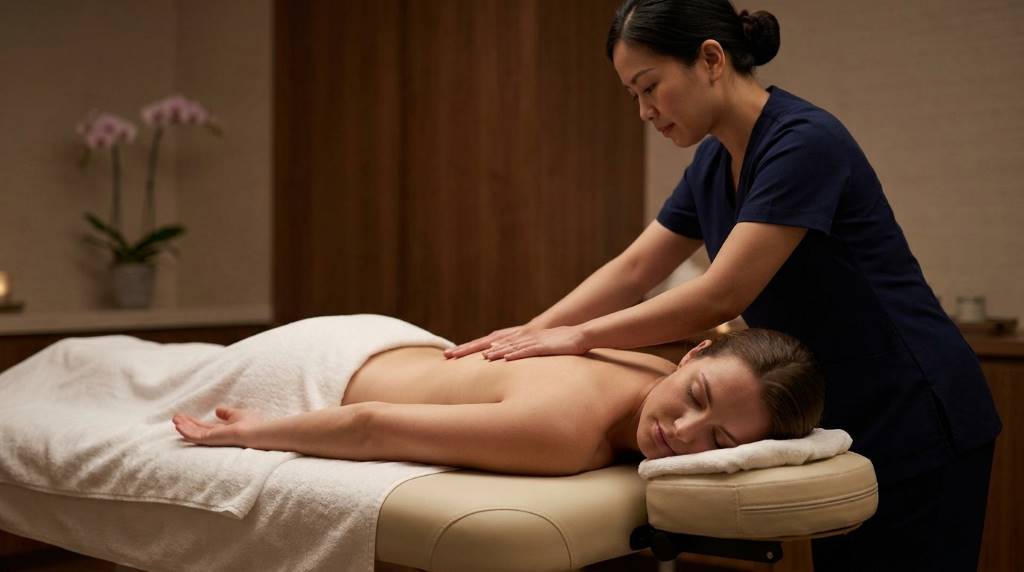
Preparation begins in the waiting room, not on the table. Many clients arrive carrying stress from traffic or work. Spend two to three minutes practicing slow nasal breathing before your session. Inhale for four counts, hold briefly, then exhale for six counts. This simple pattern lowers your heart rate and primes your body for relaxation.
Setting Your Breath Intention
Tell yourself one clear intention before lying down. Something like “I will breathe through each area of tension” works well. This mental anchor keeps you from defaulting to shallow chest breathing. Your therapist will appreciate a client whose body is already softening. A relaxed body allows them to work more effectively from the very first stroke.
The Right Way to Breathe During Each Massage Phase
Different phases of your massage call for slightly different breath strategies. Being aware of these phases helps you stay engaged without overthinking. The goal is conscious breath, not perfect breath. Permit yourself to adjust as the session unfolds.
During the Opening Strokes
Your therapist will begin with long, sweeping effleurage strokes. Match your inhale to the upward stroke, and your exhale to the downward stroke. This rhythm creates a natural partnership with the therapist’s movement. Your nervous system begins to sync with the pace of the session. Within minutes, you will feel noticeably calmer and more grounded.
During Deep Tissue or Pressure Points
Deep tissue work can feel intense, especially on tight areas. Most people instinctively hold their breath during pressure application. This response actually increases pain perception and muscle guarding. Instead, breathe directly into the area receiving pressure. Visualize your exhale melting the tension beneath the therapist’s hands.
Use this three-step method during intense pressure:
- Inhale slowly through your nose for three to four counts.
- Direct your breath mentally toward the pressure point.
- Exhale fully and audibly through your mouth to release tension.
Repeat this cycle until the therapist moves on. Most clients find the discomfort becomes manageable within two to three breath cycles.
During Stretching and Range-of-Motion Work
Stretching requires breath coordination to achieve full benefit. Inhale to prepare your body for the stretch. Then exhale as the therapist guides your limb into the extended position. Never hold your breath during a stretch. Holding breath shortens your range of motion and increases the risk of soreness.
Common Breathing Mistakes to Avoid on the Table
Even well-meaning clients fall into breathing traps during massage. Knowing these in advance helps you course-correct quickly. None of these mistakes are serious, but they do reduce the quality of your session.
Chest breathing only: This keeps tension locked in your upper body. Practice belly breathing instead, allowing your abdomen to rise first on each inhale.
Breath holding during transitions: When the therapist repositions your arm or leg, clients often freeze. Keep your breath steady through all position changes.
Breathing too fast: Rapid breathing keeps your nervous system stimulated. Aim for six to eight breaths per minute during your session.
Talking through the session: Conversation disrupts your breathing rhythm. Save questions for natural pause points and let silence support your experience.
Breathing Techniques That Work Best for Spa Settings
Several proven techniques translate especially well to the massage table. Each serves a slightly different purpose. You can rotate between them depending on how your body feels.
Box Breathing for Anxiety and Overthinking
Box breathing is ideal if your mind races during sessions. Inhale for four counts, hold for four, exhale for four, hold for four. This equal-ratio pattern calms mental chatter quickly. Many therapists recommend it for first-time clients. It also helps when the room environment feels unfamiliar or distracting.
4-7-8 Breathing for Deep Muscle Release
The 4-7-8 method extends your exhale significantly. Inhale through your nose for four counts. Hold your breath for seven counts. Then exhale completely through your mouth for eight counts. The extended exhale activates your vagus nerve directly. This produces a wave of physical relaxation that deepens tissue work.
Diaphragmatic Breathing for Full-Body Awareness
Place your awareness low in your belly. Let each inhale push your abdomen outward rather than lifting your chest. Your diaphragm descends fully with each breath. This technique maximizes oxygen exchange and slows your heart rate. It is the most natural and sustainable technique for longer sessions.
How to Stay Consistent Throughout a 60 or 90-Minute Session
Maintaining breath awareness over a long session takes light practice. Your mind will wander, and that is completely normal. Simply return to your breath each time you notice distraction. Think of each exhale as a small release of whatever you carried in. Over time, this habit becomes effortless and even restorative on its own.
Consider asking your therapist to provide gentle verbal breath cues. Many licensed therapists are trained in breath-based bodywork. Some spas now incorporate guided breath audio into their ambient soundscape. These environmental supports make breath maintenance much easier. You leave not just relaxed, but genuinely restored on a cellular level.
After Your Session: Let Your Breath Lead the Recovery
Post-massage breathing matters just as much as during-session breathing. Take three slow, deep breaths before standing up from the table. This prevents lightheadedness from blood pressure shifts. Continue nasal breathing as you dress and move to the relaxation lounge. Your body needs ten to fifteen minutes to fully integrate the session’s benefits.
Drink water mindfully, pausing between sips to breathe. Avoid rushing into your car or checking your phone immediately. Let your breath serve as a bridge between the table and the rest of your day. This closing ritual locks in the calm your session created. Clients who practice post-massage breathing report longer-lasting results.
Start Breathing Better at Your Next Spa Visit
Your next massage is an opportunity to go deeper than ever before. Apply even one technique from this guide and notice the difference immediately. Share this approach with your therapist so they can support your breath rhythm. Book your next appointment with breath practice as part of your intention. Your body already knows how to relax. Your breath is simply the key. Finally, we recommended the best facials in midtown Manhattan and the best manicure in midtown Manhattan to know more details.