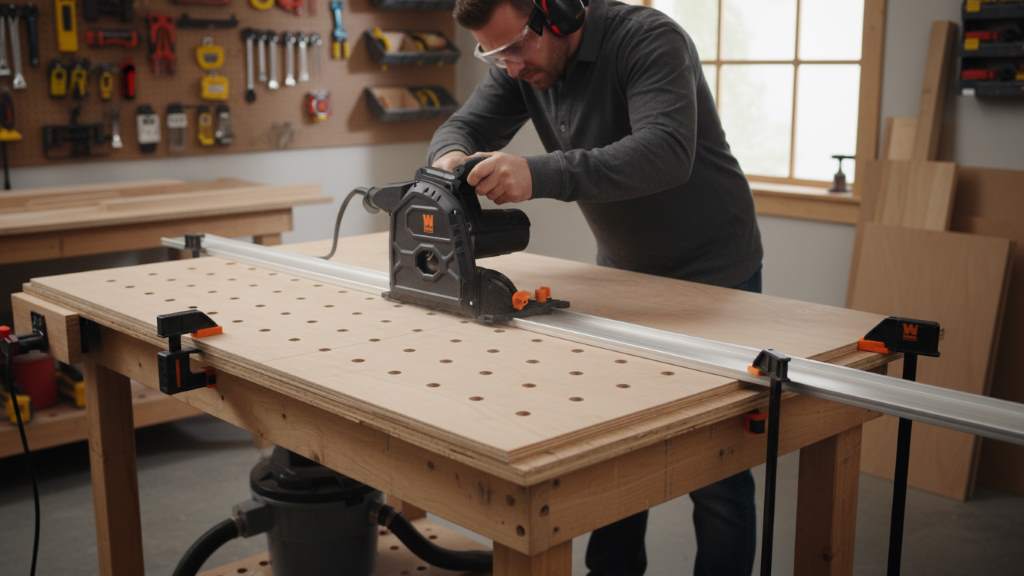
Track saws transform how woodworkers handle large sheets and precise cuts. These tools combine the portability of circular saws with the accuracy of table saws. Many enthusiasts turn to power tools for woodworking like track saws to achieve straight, splinter-free results. For instance, explore options such as the WEN 7.25-inch Variable Speed Track Saw for reliable performance in various projects.
Moreover, the global power tools market continues to grow rapidly. Reports indicate rising demand for precision cutting tools in woodworking and construction. Additionally, DIY projects fuel this trend, as more people seek efficient ways to break down plywood and create custom furniture.
In this guide, professionals and hobbyists discover top models. Readers learn key features, benefits, and practical tips. Furthermore, a dedicated review of the WEN track saw highlights its value.
What Is a Track Saw and Why Do You Need One?
Track saws, also known as plunge saws, feature a circular blade that plunges into the material along a guide rail. This design ensures laser-straight cuts every time. Unlike traditional circular saws, track saws minimize tear-out and allow plunge cuts in the middle of panels.
Woodworkers often choose them for breaking down sheet goods. For example, cutting full plywood sheets becomes safe and accurate without a massive table saw. Moreover, they excel at long rip cuts, crosscuts, and bevels.
Many experts note that track saws bridge the gap between handheld tools and stationary machines. Consequently, they suit small shops or job sites. In addition, cordless models add mobility for on-site work.
Key Features to Look for in a Track Saw
Selecting the right track saw involves several factors. First, consider motor power. Stronger amps handle dense hardwoods without bogging down.
Next, evaluate cutting depth. Most models cut over 2 inches at 90 degrees. Deeper capacity manages thicker stock.
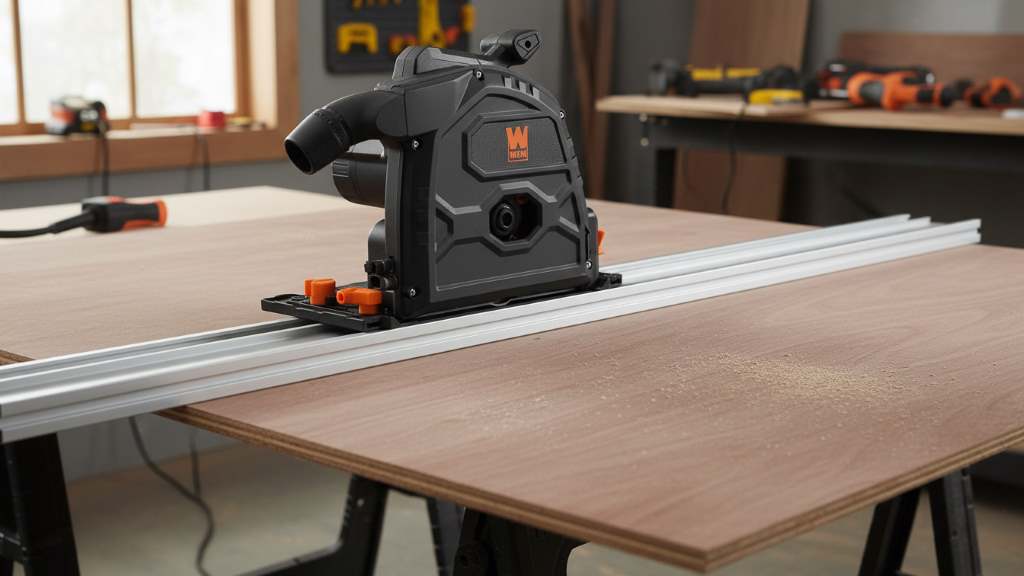
Variable speed control proves essential. Lower speeds prevent burning on delicate materials, while higher speeds suit rough cuts.
Dust collection keeps workspaces clean. Effective ports connect to shop vacuums for better visibility and health.
Bevel capacity matters for angled cuts. Look for ranges from -1 to 48 degrees for versatility.
Finally, track compatibility expands options. Many brands work with third-party rails for longer setups.
Top Track Saws for Woodworking
Several models stand out this year. Professionals praise these for reliability and performance.
Makita SP6000J1: Best Overall
Makita delivers smooth operation and precise cuts. Its 12-amp motor powers through materials effortlessly. Additionally, variable speed and soft start enhance control.
Users appreciate the ergonomic design. The saw glides easily on its rail for splinter-free edges. Furthermore, compatibility with Festool-style accessories adds flexibility.
Many reviews highlight its balance of power and portability. Woodworkers rely on it for cabinetry and furniture builds.
Festool TSC 55: Premium Choice for Precision
Festool sets the standard for clean cuts. Its advanced dust extraction captures nearly all debris. Moreover, the riving knife and kickback stop prioritize safety.
The plunge action feels buttery smooth. Variable speed and electronic controls maintain consistency under load.
Although premium, it excels in fine woodworking. Cabinet makers favor it for veneer work without tear-out.
DeWalt DWS520 or FlexVolt Cordless: Reliable Performer
DeWalt offers robust build quality. The corded version provides ample power for tough jobs. Meanwhile, the cordless FlexVolt suits mobile work.
Unique plunge mechanism feels ergonomic. Zero-clearance splinter guards ensure clean edges.
Contractors choose DeWalt for durability on sites. It handles repetitive cuts with ease.
Milwaukee M18 Fuel: Top Cordless Option
Milwaukee’s cordless track saw impresses with runtime. The brushless motor delivers table-saw-like power.
Smooth plunge and accurate tracking shine in tests. Additionally, Redlink intelligence prevents overloads.
Battery ecosystem users benefit most. It performs well for framing and trim work.
Bosch GKT13-225: Powerful and Smooth
Bosch provides excellent power transfer. Constant electronics maintain speed in hard materials.
Overload protection extends tool life. The track system ensures stability.
Many appreciate its vibration control. It cuts cleanly across various woods.
In-Depth WEN Track Saw Review
WEN offers an accessible entry into track saws. The 7.25-inch variable speed model stands out for hobbyists.
Its 12-amp motor adjusts from 2000 to 6000 RPM. This range suits softwoods to hardwoods. Additionally, the larger blade allows deeper cuts up to 2.6 inches at 90 degrees.
The base glides smoothly on compatible tracks. Users pair it with Powertec rails for straight results. Moreover, the ergonomic handle supports one-handed operation.
Dust port connects to vacuums effectively in captured cuts. However, open edges release more debris.
Real users report reliable performance on plywood and butcher blocks. Upgrading the blade improves hardwood results significantly.
Pros include versatility and portability. The universal arbor accepts common blades.
Cons involve plastic parts feeling less robust. Heavy daily use may wear it faster.
Overall, WEN provides excellent value. Beginners achieve professional cuts without breaking the bank.
Track Saw Buying Guide: How to Choose the Right One
A solid saw buying guide helps narrow options. Start with your projects. Occasional use favors budget models, while frequent work demands premium builds.
Consider corded versus cordless. Corded offers unlimited runtime. Cordless provides freedom.
Blade size affects capacity. 6.5-inch models stay compact, but 7.25-inch cuts deeper.
Check included accessories. Some kits bundle rails and bags.
Test ergonomics if possible. Comfort reduces fatigue on long sessions.
Read user feedback for real insights. Forums reveal long-term reliability.
Budget wisely. Invest in quality tracks separately if needed.
Tips for Using a Track Saw Safely and Effectively
Safety comes first. Always wear eye and ear protection. Secure workpieces firmly.
Align the track precisely. Use clamps for stability.
Start with shallow scoring passes on veneers. This prevents splintering.
Maintain blades sharp. Dull edges cause burning and poor cuts.
Practice plunge technique. Release slowly for control.
Clean dust regularly. Buildup affects performance.
Store tracks flat. Warping ruins accuracy.
Experiment with speeds. Find optimal settings per material.
Corded vs. Cordless Track Saws: Which Is Better?
Corded saws deliver consistent power. No battery worries suit shop use.
However, cords limit mobility. Extension management adds hassle.
Cordless models shine on sites. Modern batteries last through full sheets.
Yet, runtime varies with demands. Heavy cuts drain faster.
Advances narrow the gap. High-voltage platforms rival corded torque.
Choose based on workspace. Shops lean corded, fields go cordless.
Hybrids exist too. Some accept both power sources.
Maintenance and Accessories for Longevity
Regular care extends tool life. Clean bases and tracks after use.
Lubricate moving parts occasionally. Wax rails for smoother glide.
Sharpen or replace blades promptly. Quality aftermarket options enhance cuts.
Invest in clamps. They secure tracks without shifting.
Parallel guides ensure repeatable widths. Dog hole adapters add versatility.
Bags protect during transport. Connectors join rails for longer cuts.
Conclusion
Track saws revolutionize woodworking precision. Top models like Makita, Festool, and Milwaukee lead the pack. Meanwhile, WEN offers impressive affordability for starters.
Evaluate needs carefully. Power, features, and budget guide decisions.
Ultimately, the right saw elevates projects. Start with a solid saw buying guide and practice techniques.
Ready to upgrade? Research models further and choose one that fits your shop. Clean, straight cuts await.
FAQs
What makes a track saw better than a circular saw?
Track saws follow guide rails for perfect straightness. They plunge safely and reduce tear-out significantly. Additionally, precision rivals table saws in portability.
Can beginners use track saws effectively?
Absolutely. Intuitive designs make setup quick. Start with basic cuts on scrap. Moreover, many include clear instructions for fast learning.
How do I prevent splintering with a track saw?
Use splinter guards on tracks. Score first on veneers. Sharp, fine-tooth blades help greatly.
Are third-party tracks compatible?
Often yes. Makita and others work with popular alternatives. Check specifications to confirm fit.
What’s the best blade for clean cuts?
Fine-tooth carbide blades excel. Brands like Diablo or Freud minimize tear-out in plywood and hardwoods.
References