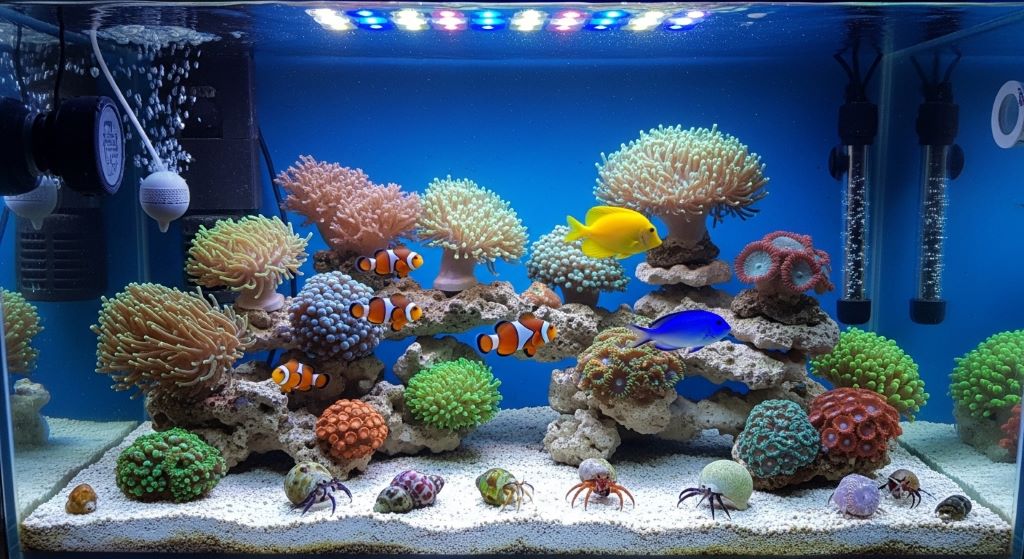
Reef aquariums are beautiful. They bring a slice of the ocean into your living space. However, they have a reputation for being expensive. Many beginners hear stories about huge costs and walk away before they even start. The good news is that a stunning reef tank does not have to drain your wallet.
With the right approach, you can build and maintain a thriving reef system without overspending. This article will show you how to choose smart, affordable tools, where to cut costs safely, and how to keep your tank healthy on a budget.
Why Reef Tanks Seem So Expensive
The reef hobby has a premium side. High-end equipment, exotic corals, and specialty additives can push costs into the thousands. Many beginners buy more than they need because they follow advice aimed at advanced hobbyists.
However, the basics of a healthy reef tank do not require the most expensive gear on the market. Understanding what you actually need versus what is optional saves you money right from the start. Therefore, education is your first and most valuable tool.
Planning Your Home Tank Setup Before You Spend
Planning is everything. Jumping into purchases without a clear plan leads to wasted money and frustration. Before you buy a single piece of equipment, take time to map out your home tank setup from start to finish.
Decide on the tank size first. Smaller tanks cost less upfront but can be harder to maintain stable water conditions. A tank between 20 and 40 gallons is a sweet spot for beginners. It is affordable, manageable, and large enough to support a variety of corals and fish.
Write down every item you need. List the tank, lighting, filtration, circulation, and water testing supplies. Having a full list lets you compare prices and identify where you can save. Additionally, it stops you from making impulse purchases that do not serve your actual needs.
Choosing Budget Aquarium Gear That Still Performs
Not all affordable equipment is low quality. The reef hobby has grown enormously, and competition among manufacturers has brought prices down considerably. Today, you can find budget aquarium gear that performs reliably without cutting dangerous corners.
Lighting on a Budget
Lighting is one of the biggest costs in a reef setup. Corals need specific light spectrums to survive and grow. Fortunately, the LED lighting market has become very competitive. Brands like Kessil, AI, and Mars Aqua offer entry-level LED fixtures that work well for beginner and intermediate reef tanks.
Look for lights with adjustable spectrum and intensity settings. These give you flexibility as your coral collection grows. Additionally, buying a slightly older model of a well-known brand often costs far less than the newest version with nearly the same performance.
Filtration Without the High Price Tag
A good filtration system keeps your water clean and your livestock healthy. You do not need the most advanced protein skimmer on the market to achieve this. A mid-range skimmer sized correctly for your tank volume will do the job well.
Many hobbyists also use a simple sump setup with filter socks and a refugium area growing chaeto algae. Chaeto is inexpensive, easy to find, and naturally removes nitrates and phosphates from the water. Therefore, it acts as a free, living filter that reduces the need for expensive chemical additives.
Powerheads and Water Circulation
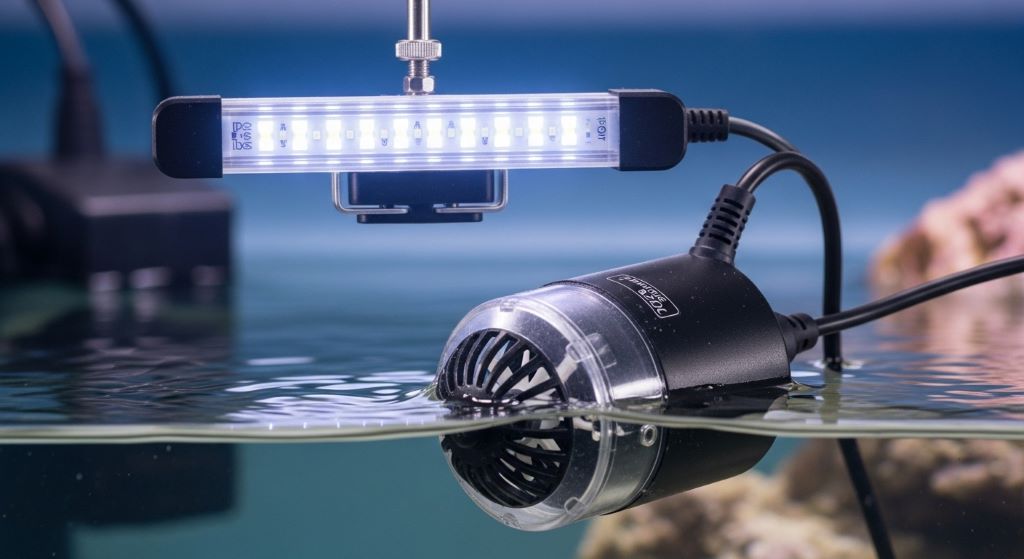
Corals need good water movement to thrive. Powerheads create the flow that mimics natural reef currents. Budget-friendly options from brands like Jebao and Hydor provide solid flow rates at a fraction of the cost of premium brands.
One or two well-placed powerheads are usually enough for a mid-sized tank. Additionally, positioning them correctly to avoid dead spots matters more than buying the most powerful model available.
Heaters and Thermometers
Temperature stability is critical for reef tanks. A reliable heater does not have to be expensive. Eheim and Aqueon both offer affordable, dependable heaters that maintain consistent temperatures. Pair your heater with a separate digital thermometer to monitor accuracy.
Spending a little extra on a quality thermometer is worth it. Knowing your exact water temperature at a glance prevents potential disasters.
DIY Options That Cut Costs Significantly
Do-it-yourself solutions are popular in the reef hobby for good reason. Many pieces of equipment can be built or improvised at a fraction of retail prices.
Building a Simple Sump
A sump is essentially a secondary tank that sits beneath your display tank. It houses your filtration equipment and increases overall water volume. You can convert a basic glass aquarium into a sump using a simple baffle kit. This costs a fraction of buying a purpose-built sump.
YouTube and reef forums are full of step-by-step guides for sump builds. The community is generous with knowledge, and most designs are straightforward even for beginners.
Making Your Own Rock Structures
Live rock forms the biological foundation of a reef tank. However, purchasing large amounts of live rock can be costly. Many hobbyists use dry rock seeded with a small amount of live rock to save money. Over time, the beneficial bacteria colonize the dry rock naturally.
Additionally, you can make your own aquascape structures using reef-safe epoxy and dry rock. This gives you full creative control and costs far less than buying pre-made arrangements.
Mixing Your Own Salt Water
Buying pre-mixed saltwater from a fish store adds up quickly. A quality salt mix and an RODI (reverse osmosis deionization) water unit lets you mix your own saltwater at home. The upfront cost of an RODI unit is offset within a few months of use, especially for tanks larger than 30 gallons.
Furthermore, controlling your own water quality gives you confidence in exactly what is going into your tank.
Smart Shopping Habits That Save You Money
How you shop matters just as much as what you buy. There are several habits that reef hobbyists use to stretch every dollar.
- Buy used equipment from hobbyists who are upgrading or leaving the hobby. Reef forums and local aquarium clubs are great sources.
- Watch for seasonal sales at online retailers like BRS (Bulk Reef Supply) and Marine Depot.
- Buy dry goods like salt, additives, and test kits in bulk to reduce the cost per unit.
- Join a local reef club. Members often share frags (coral cuttings) for free or at very low cost.
- Research before every purchase. Reading reviews from experienced hobbyists prevents costly mistakes.
Water Testing on a Tight Budget
Testing your water regularly is non-negotiable. Poor water chemistry kills corals and fish quickly. However, you do not need to spend a fortune on testing equipment.
API and Salifert both offer affordable test kits for the key parameters: ammonia, nitrite, nitrate, alkalinity, calcium, and magnesium. Starting with these basics covers the most important aspects of reef chemistry.
As your budget allows, consider investing in a refractometer for salinity testing. It is more accurate than a basic hydrometer and lasts for years with proper care. Therefore, it is one of the smarter long-term investments you can make early in the hobby.
Corals That Are Easy on Your Wallet
Your choice of corals affects your costs significantly. Some corals are hardy, fast-growing, and inexpensive. Others are fragile, slow-growing, and expensive. Starting with the right corals keeps costs low while you develop your skills.
Soft corals like mushrooms, zoanthids, and leathers are excellent beginner choices. They tolerate a wider range of water conditions and grow quickly. Additionally, they are widely available and often traded or sold cheaply within the reef community.
LPS (large polyp stony) corals like hammer corals and torch corals are the next step up. They add visual drama and are still relatively forgiving. Save the rare and expensive SPS (small polyp stony) corals for when your skills and equipment are more refined.
Avoiding Common Costly Mistakes
Some mistakes in the reef hobby are expensive. Knowing about them in advance helps you avoid them entirely.
Overstocking your tank too quickly is one of the most common errors. Too many fish produce too much waste, which stresses the system and can cause a crash. Start with just one or two hardy fish and add slowly.
Skipping the cycling process is another costly mistake. A tank that is not fully cycled will experience ammonia spikes that kill everything in it. Patience during the cycling phase saves you from replacing expensive livestock.
Additionally, chasing perfect parameters obsessively before your tank is established leads to unnecessary spending on additives. A stable tank, even with slightly imperfect numbers, is often healthier than one that is constantly adjusted.
Conclusion
Building a reef aquarium at home does not require a premium budget. Smart planning, careful shopping, and a willingness to learn go a long way. Choosing reliable budget aquarium gear, embracing DIY solutions, and starting with forgiving corals all help you enjoy the hobby without financial stress.
A thoughtful home tank setup built on good habits and affordable tools can be just as beautiful and successful as one that costs ten times as much. The reef hobby rewards patience and knowledge far more than it rewards spending. Start small, learn steadily, and your reef will grow into something truly remarkable.
Frequently Asked Questions
What is the cheapest way to start a reef aquarium?
Start with a used tank, dry rock, a basic LED light, and a simple hang-on-back filter or small sump. Add a small amount of live rock to seed the system and cycle it fully before adding any livestock.
Can I keep corals under budget LED lights?
Yes. Many affordable LED fixtures provide enough light for soft corals and some LPS corals. Check the PAR (photosynthetically active radiation) output of any light before purchasing to ensure it meets your coral needs.
How often should I test my reef tank water?
Test at least once a week during the first few months. Once your tank is stable and mature, testing every one to two weeks is usually sufficient for a well-maintained system.
Is buying used aquarium equipment safe?
Yes, with some caution. Inspect used equipment carefully before buying. Check for cracks, worn seals, and corrosion. Quarantine any used live rock before adding it to your display tank to avoid introducing pests or disease.
How long does it take to cycle a new reef tank?
A typical reef tank cycle takes four to eight weeks. Using a quality live rock seed, bottled bacteria, and ammonia dosing can speed the process up. However, patience during this phase is essential for long-term success.
Related Topics:
Five Amazing Aquariums Around the World
How to Improve Aquarium Oxygen Levels with the Right Air Pump