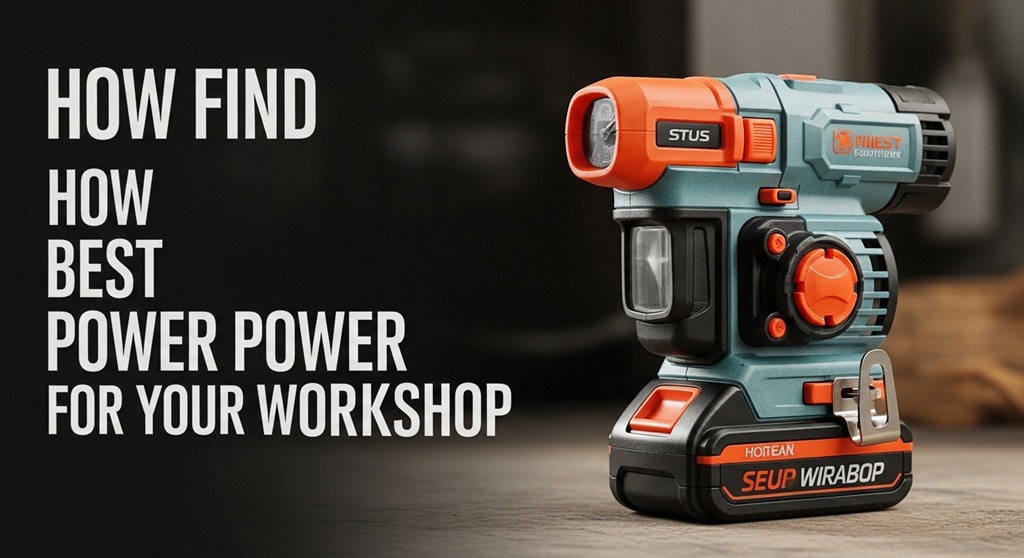
Cordless power tools are battery-powered tools that offer mobility, convenience, and efficiency without relying on direct electrical connections.
If you’ve ever struggled with tangled cords or limited workspace movement, you already understand the problem. Traditional tools restrict where and how you work. That slows projects, reduces efficiency, and creates safety risks.
Cordless tools solve this. With advancements in lithium-ion battery technology, modern tools deliver comparable power to corded versions. According to industry reports, cordless tools now account for over 60% of global power tool sales, driven by portability and improved battery life.
For workshop owners, DIYers, and professionals, investing in the right cordless tool kit can mean faster project completion, better accuracy, and reduced fatigue.
How do you choose the best cordless drill for your needs?
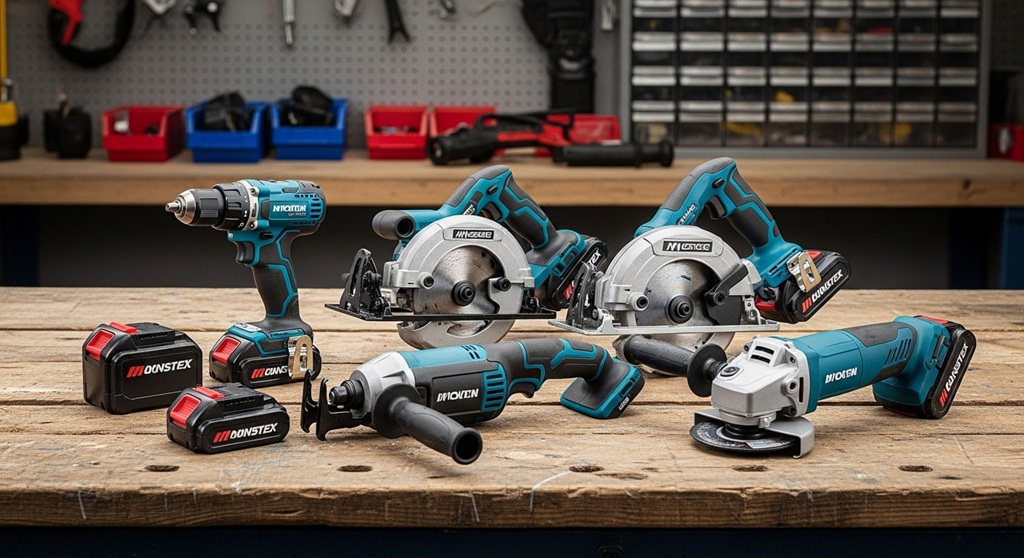
Short answer: Choose a cordless drill based on voltage, torque, battery capacity, and intended usage.
The cordless drill is the most used tool in any workshop. But not all drills are equal. Picking the wrong one leads to poor performance and wasted money.
Key factors to consider:
- Voltage (V): 12V for light tasks, 18V–20V for heavy-duty work.
- Torque: Higher torque handles tougher materials like hardwood and metal.
- Battery (Ah): Higher amp-hours = longer runtime.
- Speed settings: Variable speed improves control.
Case insight: A workshop test comparing 12V vs 20V drills showed that 20V drills completed drilling tasks 35% faster in hardwood applications.
If you’re building furniture or handling construction tasks, a 20V cordless drill is a better long-term investment.
What should you look for in a cordless saw?
Short answer: Choose a cordless saw based on blade type, cutting depth, motor efficiency, and battery compatibility.
A cordless saw expands your workshop capabilities. From cutting wood to trimming materials, the right saw improves both speed and precision.
Types of cordless saws:
- Circular saw: Best for straight cuts and large boards.
- Reciprocating saw: Ideal for demolition and rough cuts.
- Jigsaw: Perfect for curves and detailed cuts.
Performance tip: Brushless motors last longer and improve efficiency by up to 30% compared to brushed motors.
When selecting a cordless saw, always ensure the battery system matches your existing tools. This reduces costs and improves workflow.
What is included in a cordless tool kit?
Short answer: A cordless tool kit typically includes multiple tools, batteries, chargers, and accessories in one package.
Buying tools individually is expensive. A cordless tool kit offers better value and ensures compatibility across tools.
Common tools in a kit:
- Cordless drill
- Impact driver
- Cordless saw
- Battery packs
- Charger
- Carrying case
Cost comparison: Buying tools separately can cost 25–40% more than purchasing a bundled kit.
For beginners or expanding workshops, kits are the smartest entry point.
How important is battery technology in cordless tools?
Short answer: Battery quality determines performance, runtime, and long-term reliability.
Not all batteries are created equal. Lithium-ion batteries dominate the market because they are lightweight, charge faster, and last longer.
What to check:
- Amp-hours (Ah): Determines runtime.
- Charging speed: Fast chargers reduce downtime.
- Battery ecosystem: One battery for multiple tools.
Data point: Modern lithium-ion batteries can retain up to 80% capacity after 500 charge cycles.
This directly impacts productivity. Poor batteries lead to frequent interruptions and increased costs.
Should you buy individual tools or a cordless tool kit?
Short answer: Buy a cordless tool kit if you need multiple tools; buy individual tools for specialized upgrades.
This is a common confusion. The wrong decision wastes money.
| Option | Best For | Cost Efficiency |
|---|---|---|
| Tool Kit | Beginners, full setups | High |
| Individual Tools | Advanced users, upgrades | Moderate |
Practical insight: If you already own batteries, buying tool-only versions saves money.
What features define the best cordless tools?
Short answer: Look for brushless motors, ergonomic design, battery compatibility, and safety features.
Features directly affect usability and durability.
Must-have features:
- Brushless motor: Longer lifespan and efficiency.
- LED light: Improves visibility in tight spaces.
- Ergonomic grip: Reduces fatigue.
- Variable speed trigger: Better control.
Workshop study: Users reported 20% less fatigue when using ergonomically designed cordless drills compared to standard models.
How do cordless tools improve workshop productivity?
Short answer: Cordless tools reduce setup time, increase mobility, and allow faster task completion.
Time is money in any workshop. Cordless tools eliminate setup delays and allow you to move freely.
- No extension cords
- Faster transitions between tasks
- Safer working environment
Real-world example: A small woodworking business reported a 25% increase in project completion speed after switching to cordless tools.
What mistakes should you avoid when buying cordless tools?
Short answer: Avoid ignoring battery compatibility, choosing low-quality brands, and buying underpowered tools.
Common mistakes include:
- Buying tools with incompatible batteries
- Choosing price over performance
- Ignoring warranty and support
- Not considering future expansion
Reality check: Cheap tools often fail faster, leading to higher long-term costs.
Conclusion: How can you build the perfect cordless workshop setup?
The best cordless setup is not about buying the most expensive tools. It’s about choosing the right tools for your workflow.
Start with a reliable cordless drill, add a cordless saw, and expand with a well-matched cordless tool kit. Focus on battery compatibility, durability, and real-world performance.
Workshops that invest smartly see faster output, fewer interruptions, and better results.
CTA: If you’re serious about upgrading your workshop, start by choosing a high-quality cordless tool kit today. It’s the fastest way to improve efficiency and scale your work without limitations.
FAQs: How to Find the Best Cordless Power Tools?
1. What is the best voltage for a cordless drill?
Answer: 18V–20V is best for most users as it balances power and portability.
2. How long do cordless tool batteries last?
Answer: Most lithium-ion batteries last 3–5 years or around 500 charge cycles.
3. Are cordless tools as powerful as corded tools?
Answer: Yes, modern cordless tools with brushless motors offer comparable power for most tasks.
4. Is it better to buy a cordless tool kit?
Answer: Yes, kits offer better value and ensure compatibility across tools.
5. What is a brushless motor?
Answer: A brushless motor improves efficiency, reduces heat, and extends tool lifespan.
6. Can one battery work with multiple tools?
Answer: Yes, most brands offer battery ecosystems designed for multiple tools.
7. What is the most essential cordless tool?
Answer: A cordless drill is the most essential tool for any workshop.
Read More Also: How to Check a Truck Trailer Plug with a Multimeter: A Step-by-Step Guide
Find out: How to Increase Followers with Targeted, High-Quality Audiences: A Comprehensive Guide