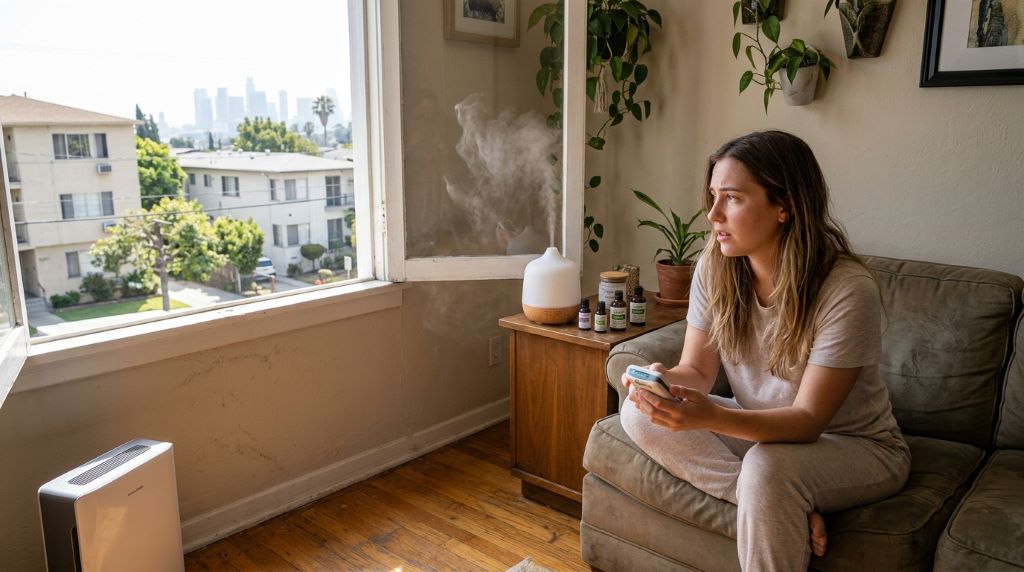
Air quality inside apartments has become a growing concern, especially in large cities like Los Angeles where outdoor pollution often seeps indoors. According to the Environmental Protection Agency, indoor air can be two to five times more polluted than outdoor air. At the same time, the use of natural oils has increased as people look for safer alternatives to chemical products. Many residents now ask, is citronella oil safe to inhale, especially when used in small enclosed spaces. This article explores how natural oils affect air quality in Los Angeles apartments and offers practical ways to use them safely. Understanding the balance between wellness and air safety is key for healthier living.
Understanding Indoor Air Quality in Los Angeles Apartments
Los Angeles has a unique air quality challenge due to traffic emissions, dry climate, and seasonal wildfires. These factors already put stress on indoor air systems, even before adding scented products or oils. Apartment buildings, especially older ones, often have limited ventilation, which traps airborne particles inside. As a result, anything released indoors can linger longer than expected. Natural oils, though often marketed as clean, still release compounds into the air. Therefore, understanding how these oils behave indoors is essential for safe use.
Indoor air quality depends on airflow, humidity, and the presence of pollutants. In Los Angeles, apartments often rely on air conditioning rather than open windows, reducing fresh air exchange. This situation creates a closed environment where oils can build up in concentration. Even small amounts of diffused oil may affect sensitive individuals over time. Moreover, combining oils with existing pollutants can increase respiratory irritation. That is why residents must consider both external and internal air conditions.
Many people assume natural oils are harmless because they come from plants. However, natural does not always mean safe when inhaled in confined spaces. Essential oils release volatile organic compounds, also known as VOCs, which can impact breathing. In a city already dealing with smog, adding more airborne particles can worsen conditions. Therefore, awareness is the first step toward safer use. Educating yourself about oil composition can help reduce risks significantly.
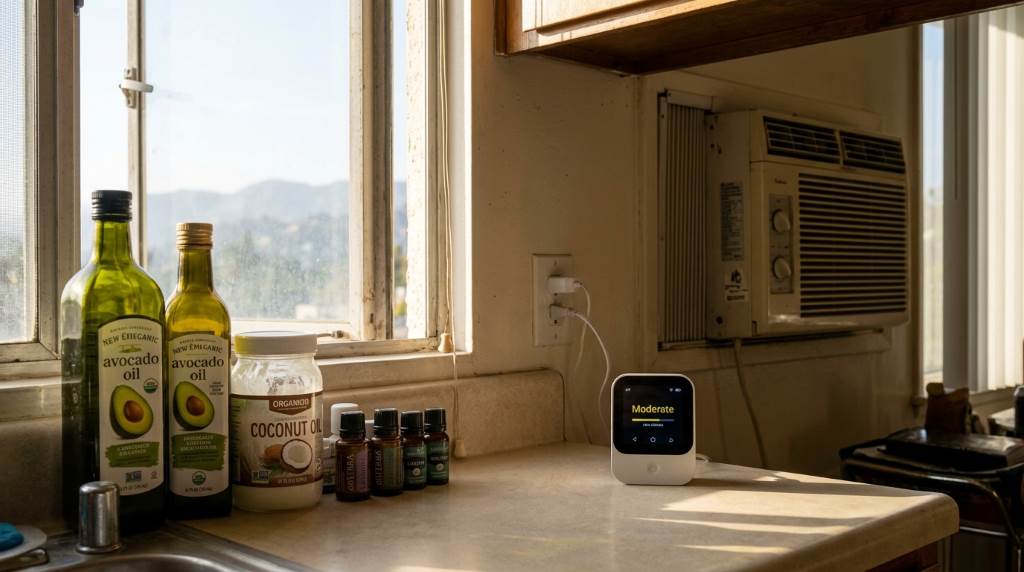
What Are Natural Oils and How Are They Used
Natural oils include essential oils extracted from plants, herbs, and flowers. People use them for aromatherapy, cleaning, and even insect control inside apartments. In Los Angeles, oils like citronella, eucalyptus, and lavender are especially popular due to the warm climate. These oils often get diffused into the air using electric diffusers or burners. While they offer pleasant scents and potential benefits, they also release microscopic particles. These particles can interact with indoor air in complex ways.
There are several common ways residents use natural oils in apartments. Each method affects air quality differently depending on intensity and duration. For example, diffusers release a steady mist that stays suspended in the air for hours. Burning oils, on the other hand, produces smoke along with scent. Direct application on surfaces may also release vapors slowly over time. Understanding these methods helps users choose safer options.
Here are the most common uses of natural oils indoors:
- Aromatherapy diffusers for relaxation and mood improvement
- Cleaning solutions mixed with oils for fragrance
- Pest control sprays using citronella or peppermint oil
- Candles infused with essential oils for ambiance
Each method introduces compounds into the air, which may affect breathing if used excessively. Therefore, moderation and proper ventilation are essential.
The Science Behind Air Quality and Essential Oils
Essential oils release volatile organic compounds that evaporate easily at room temperature. These compounds can react with other airborne chemicals, forming secondary pollutants. In Los Angeles apartments, this reaction becomes more likely due to existing smog particles. When VOCs mix with ozone, they can create fine particles that irritate the lungs. This process may happen even when oils smell pleasant and natural. Therefore, scent alone does not indicate safety.
Research shows that prolonged exposure to certain VOCs can cause headaches, dizziness, and respiratory discomfort. Sensitive groups such as children, elderly people, and asthma patients face higher risks. Even healthy individuals may experience mild irritation over time. Moreover, continuous use of diffusers can increase indoor pollutant levels significantly. This is especially true in small apartments with poor airflow. Understanding this science helps users make informed decisions.
Temperature and humidity also influence how oils behave in indoor air. Los Angeles often experiences dry air, which can intensify the evaporation of oils. As a result, higher concentrations may accumulate quickly. In contrast, humid environments may slow down dispersion slightly. Therefore, climate plays a direct role in how safe or risky oil use becomes. Adjusting usage based on weather conditions can improve safety.
Common Natural Oils and Their Air Impact
Different natural oils have different effects on indoor air quality. Some release stronger compounds, while others are milder and less reactive. In Los Angeles apartments, certain oils are more commonly used due to lifestyle preferences. Understanding their impact helps residents choose wisely. Not all oils affect air in the same way, even if they seem similar.
Citronella Oil
Citronella oil is widely used for repelling insects, especially mosquitoes. However, it releases strong compounds that can irritate the respiratory system when inhaled frequently. In enclosed apartments, these compounds can build up quickly without proper ventilation. Many people question its safety due to its intensity and strong scent. Therefore, limited use is recommended indoors. Always ensure fresh air circulation when using citronella.
Eucalyptus Oil
Eucalyptus oil is popular for relieving congestion and improving breathing. While it offers benefits, it also contains potent compounds that may irritate sensitive lungs. In Los Angeles, people often use it during allergy seasons. However, overuse can lead to discomfort rather than relief. It is important to dilute and use it in moderation. Controlled use reduces the risk of negative effects.
Lavender Oil
Lavender oil is considered one of the gentler options for indoor use. It is often used for relaxation and sleep support in apartments. However, even mild oils can affect air quality when used excessively. Continuous diffusion may lead to buildup over time. Therefore, short sessions are safer than constant exposure. Balance is key even with milder oils.
Factors That Increase Risk in Los Angeles Apartments
Several factors make Los Angeles apartments more vulnerable to air quality issues from natural oils. These factors often combine to create a higher risk environment. Understanding them helps residents manage exposure effectively. Awareness allows for better planning and safer usage habits.
First, apartment size plays a major role in air concentration levels. Smaller spaces allow less dispersion of airborne particles. As a result, oils become more concentrated quickly. Second, poor ventilation traps particles inside for longer periods. Many apartments rely on sealed windows and air conditioning systems. This setup limits fresh air intake significantly.
Third, climate conditions in Los Angeles contribute to faster evaporation of oils. Dry air increases the release of VOCs into the environment. Fourth, existing pollution adds to the overall air burden. Outdoor smog often enters indoor spaces, combining with indoor pollutants. Finally, frequency of use determines long-term exposure levels. Using oils daily without breaks can increase health risks.
Practical Tips for Safer Use of Natural Oils
Residents can still enjoy natural oils by following safe usage practices. Simple adjustments can make a significant difference in air quality. These tips help reduce risks while maintaining benefits. Safety does not require eliminating oils completely.
Here are practical steps to improve safety:
- Use diffusers for short periods instead of continuous operation
- Open windows or use fans to improve air circulation
- Choose high-quality, pure oils without additives
- Avoid mixing multiple oils at once
- Limit use in small or poorly ventilated rooms
Each step reduces the concentration of airborne compounds. Consistency in these practices ensures better indoor air quality. Small changes can have a big impact over time.
Additionally, consider using oils during times when windows can stay open. Early mornings or evenings in Los Angeles often have better outdoor air conditions. This timing allows fresh air to dilute indoor pollutants effectively. Planning usage around environmental conditions improves safety further.
Health Considerations for Different Groups
Not everyone reacts to natural oils in the same way. Some individuals are more sensitive to airborne compounds than others. Recognizing these differences helps prevent health issues. Tailoring usage to household needs is essential.
Children have developing respiratory systems, making them more vulnerable to irritants. Therefore, using oils sparingly around them is important. Elderly individuals may also experience stronger reactions due to weaker immunity. People with asthma or allergies should be especially cautious. Even mild oils can trigger symptoms in sensitive individuals.
Pets can also react negatively to certain oils. Cats and dogs may inhale particles more closely due to their proximity to floors. Some oils are even toxic to animals when inhaled or absorbed. Therefore, pet owners must research oil safety carefully. Creating a safe environment benefits all household members.
Related:
Crawl Space Door Exterior Access Safety Concerns
Best Mid Century Modern Furniture for Small Living Rooms
Alternatives to Natural Oils for Air Freshening
For those concerned about air quality, alternatives to natural oils are available. These options provide freshness without introducing high levels of VOCs. Choosing safer methods helps maintain a healthier indoor environment. Many alternatives are simple and cost-effective.
Here are some effective alternatives:
- Use indoor plants that naturally filter air
- Keep windows open for natural ventilation
- Use baking soda to absorb odors
- Maintain regular cleaning routines
- Install air purifiers with HEPA filters
These solutions improve air quality without adding new pollutants. Combining multiple methods enhances effectiveness. Natural freshness does not always require scented products.
Air purifiers are especially useful in Los Angeles apartments. They help remove both indoor and outdoor pollutants efficiently. Investing in a good purifier can significantly improve breathing conditions. Clean air supports overall health and comfort.
Conclusion
Natural oils can enhance comfort and wellness, but they also impact indoor air quality, especially in Los Angeles apartments. The combination of limited ventilation, dry climate, and existing pollution increases potential risks. By understanding how oils interact with air, residents can make smarter choices. Using oils in moderation and improving airflow can reduce negative effects significantly. Small changes in daily habits lead to better air and healthier living spaces. Start applying these tips today to create a safer indoor environment for yourself and your family.
FAQs
Are natural oils always safe to use indoors?
No, natural oils can release compounds that affect air quality, especially in enclosed spaces.
How often should I use essential oil diffusers?
Limit use to short sessions, ideally 30 to 60 minutes at a time.
Can natural oils trigger allergies?
Yes, some oils can cause allergic reactions or respiratory irritation in sensitive individuals.
Is ventilation important when using oils?
Yes, proper airflow helps dilute airborne particles and reduces health risks.
What is the safest oil for indoor use?
Lavender is generally considered mild, but it should still be used in moderation.