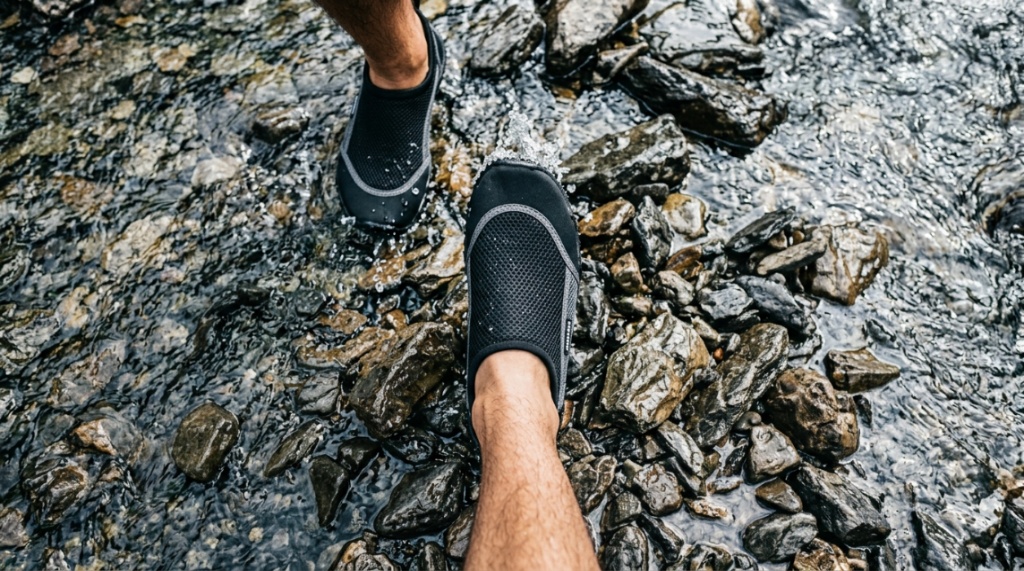
There you are, standing on the shore, excited for a day of paddleboarding, snorkeling, or kayaking. But the sand is scorching, the rocks are jagged, and the thought of stepping on something sharp makes you hesitate. This is the exact moment you realize you need a reliable layer between your feet and the elements. Finding the right pair of flexible neoprene socks comfortable water socks isn’t just about protecting your feet—it’s about ensuring you can move freely and enjoy your time in and around the water without discomfort or distraction.
Water socks have evolved far beyond simple rubber slip-ons. Today, a quality pair combines the flexibility of a second skin with the durability of a protective bootie. Whether you are a casual beachgoer or a dedicated water sports enthusiast, choosing the right pair requires looking beyond price tags and pretty colors. This guide will walk you through exactly what to look for so you can step into the water with total confidence and comfort.
What Makes a Water Sock Truly Flexible?
Flexibility in a water sock comes down to the thickness and composition of the neoprene, combined with the construction of the seams and sole. A truly flexible sock allows your foot to bend naturally, grip surfaces, and maintain proprioception (your sense of foot placement) while still providing protection.
Thinner neoprene, typically 1.5mm to 2mm, offers the greatest flexibility. Anything thicker than 3mm often becomes stiff, especially when wet. The neoprene should be a high-grade blend, often with spandex or nylon laminates, that stretches in multiple directions. Look for socks with flatlock or glued and blind-stitched (GBS) seams, as these prevent bulk and chafing while maximizing stretch. A flexible sock feels like an extension of your foot, not like a heavy boot.
Why Are Neoprene Socks Better Than Regular Water Shoes?
Neoprene socks provide superior thermal insulation, a snugger fit, and better tactile feedback than bulky water shoes. This makes them significantly more comfortable for extended wear in cooler water and during dynamic activities.
Water shoes are designed for walking on rough surfaces, but they often sacrifice flexibility for durability. Neoprene socks, on the other hand, wrap tightly around your foot like a wetsuit. This tight seal traps a thin layer of water, which your body warms up, keeping your feet much warmer than they would be in a mesh water shoe. Additionally, the absence of laces and bulky soles means you can wear them inside a surfboard fin pocket, scuba fin, or kayak foot brace without creating pressure points. For anyone prioritizing warmth and a barefoot feel, neoprene socks are the clear winner.
How Should Flexible Water Socks Fit for Maximum Comfort?
Your water socks should fit like a snug second skin with no excess material, but they should never pinch, bind, or restrict blood flow. The correct fit is the single most important factor for comfort.
When trying on neoprene socks, do not expect them to feel like your regular athletic socks. They should be tight. If there is any air gap or looseness, the sock will fill with cold water and create friction, leading to blisters. Your toes should just barely touch the end of the sock without curling. A good test is to walk around the store—if your heel lifts slightly, the sock is too big. If the sock feels very difficult to pull on, that is normal; the compression is what keeps it in place. Over time, neoprene will stretch and conform to your foot shape, so a tight initial fit is correct.
Measuring Your Feet for Water Socks
To get the perfect fit, trace your foot on a piece of paper and measure from the tip of your longest toe to the back of your heel. Compare this measurement to the brand’s specific size chart, as sizing varies significantly between manufacturers. Always round up if you are between sizes, especially if you plan to wear the socks in cold water, where your feet may shrink slightly.
Which Neoprene Thickness Is Best for Your Activity?
The best neoprene thickness depends entirely on water temperature and the activity you are performing. 1.5mm is ideal for warm water and high-mobility sports, while 3mm is better for cold water and stationary activities.
| Thickness | Best Water Temp | Best Activity | Flexibility Level |
|---|---|---|---|
| 1.5mm – 2mm | 70°F (21°C) and above | Snorkeling, surfing, paddleboarding | Excellent (Barefoot feel) |
| 2.5mm – 3mm | 55°F – 70°F (13°C – 21°C) | Scuba diving, kayaking, windsurfing | Good (Some resistance) |
| 3mm+ | Below 55°F (13°C) | Cold water kayaking, winter surfing | Fair (Reduced dexterity) |
If you do not need insulation, a super thin 1.5mm sock provides the best ground feel and is perfect for warm summer swimming. For year-round versatility, a 2mm sock is the most balanced option. Do not overbuy on thickness unless you specifically need warmth; too much material will cause fatigue in your feet.
Can You Wear Neoprene Socks for Surfing or Paddleboarding?
Yes, neoprene socks are specifically designed for surfing and paddleboarding. They protect your feet from the board’s wax and sharp fins while providing traction and warmth.
For surfing, a thin 1.5mm or 2mm sock is essential. It allows you to feel the board rail with your toes for better control while standing up. The last thing you want is a thick bootie that numbs your ability to feel the board. For paddleboarding, traction is key. Look for socks with a textured silicone or rubber print on the bottom. Even a thin sock dramatically reduces the pain of kneeling on a board for long periods. Paddleboarders also benefit from the UV protection a sock provides, preventing a telltale “paddleboard tan” on their feet.
How to Choose Between Socks with Soles and Without
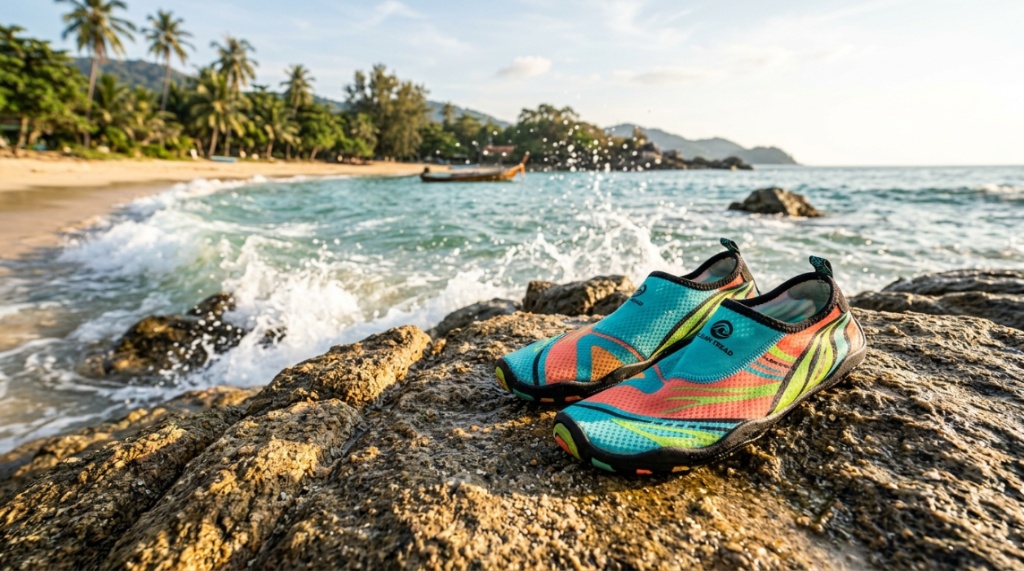
Choose a sock without a sole for maximum flexibility and a barefoot feel inside fins. Choose a sock with a durable rubber sole for walking on rocks, sand, or concrete.
Socks without soles (often called “split-toe” or “low-profile” socks) are designed to be worn inside of neoprene boots or diving fins. They are extremely thin and flexible, but they offer zero protection against sharp objects on the ground. If you plan to walk any distance to your entry point, a sock with a sole is mandatory. Sole thickness usually ranges from 1mm to 3mm of rubber. A thin sole (1mm-2mm) gives a good balance of ground feel and protection, while a thicker sole (3mm) is best for sharp, rocky terrain. Consider where you will be walking 90% of the time.
What Features Should You Look for in High-Quality Neoprene?
High-quality neoprene is characterized by its stretch, density, and the materials used in its lamination. Look for “limestone-based neoprene” and “nylon/lycra lining” for the best performance.
Standard neoprene (petroleum-based) is heavier and less flexible than limestone-based neoprene, which is also more environmentally friendly to produce. The lining on the inside of the sock is critical. An internal lining of nylon or lycra makes the sock easier to slide on and off. Look for reinforced stitching at stress points like the heel and toe. Seams that are taped on the inside prevent fraying and increase the longevity of the sock. Additionally, some high-end socks feature anti-microbial treatments to reduce odor, which is a common problem with neoprene gear that is not dried properly.
Quick Feature Checklist
- Limestone-based neoprene for eco-friendliness and flexibility.
- Nylon or Lycra inner lining for easy wear.
- Flatlock or GBS (Glued and Blind-Stitched) seams.
- Reinforced toe and heel panels.
- Drain holes for water evacuation (look for mesh panels).
- Anti-microbial coating.
How Do You Care for Neoprene Socks to Make Them Last?
Rinse your neoprene socks in fresh, cold water immediately after every use and hang them to dry away from direct sunlight. Proper care prevents odor and material breakdown.
Saltwater, chlorine, and UV rays are the three worst enemies of neoprene. After each use, turn the socks inside out and rinse them thoroughly. Do not wring them out; this can damage the neoprene cells. Instead, press them gently between two towels to remove excess water. Hang them by the heel loop (if they have one) or lay them flat in a well-ventilated, shady area. Never put them in a washing machine or dryer—the heat will destroy them. For odor control, use a specialized neoprene wash or a mild, non-detergent soap once a month. Storing them in a sealed plastic bag while wet is the fastest way to ruin them.
Are There Different Socks for Diving Versus Surfing?
Yes, diving socks are typically thicker (3mm or 5mm) and have a smoother outer finish, while surfing socks are thinner (1.5mm to 2mm) and often have textured grips.
Diving socks prioritize warmth and compression. They are designed to fit perfectly inside a dive fin’s foot pocket, preventing cramping and cold feet at depth. They usually have a “smooth skin” exterior that provides a better seal around the ankle. Surfing socks, conversely, prioritize feel and traction. They are often made with a “jersey” exterior (same as a wetsuit) which is softer and more flexible for walking on the beach. Surfing socks also commonly feature a textured UV rubber sole on the bottom for grip on a surfboard. Choosing the right type depends entirely on whether you need warmth (dive) or mobility (surf).
Why Does Seam Construction Matter So Much for Comfort?
Poor seam construction creates friction points that lead to blisters and chafing, especially on the toes and heels. High-quality seams are flat, smooth, and barely noticeable against the skin.
There are three main seam types in neoprene socks. The most basic and least comfortable is the “overlock” seam, which is bulky and prone to unraveling. “Flatlock” seams are common in wetsuits; they are strong and lie flat, but they can be rough on bare skin. The gold standard is “Glued and Blind-Stitched” (GBS). This process involves gluing the neoprene pieces together and then stitching only partially through the material. GBS seams are incredibly strong, watertight, and virtually itch-free. When buying socks, always check the interior seam. If you can feel a hard rubber ridge, it will likely cause irritation after an hour of wear.
When you’re packing your gear bag for a full day at the beach or water park, comfort and efficiency are everything. Just like ensuring your feet stay protected with the right footwear, prepping your family’s meals ahead of time keeps the day stress-free. While you’re organizing your outdoor gear, don’t forget to streamline your kitchen prep too—check out our guide on how to make Fresh Homemade Baby Food Without Wasting Time so you can spend less time cooking and more time enjoying the water.
When Should You Replace Your Flexible Water Socks?
Replace your water socks when you notice visible holes, fraying seams, a loss of elasticity, or when the neoprene feels stiff and no longer provides adequate insulation.
Even the best neoprene socks have a lifespan. Typically, a pair used frequently (2-3 times a week) will last 6 to 12 months. Signs of wear include the sole peeling away from the neoprene body, the ankle cuff losing its seal, or the appearance of small pinholes that let in cold water. If your socks require duct tape to keep them together, it is time to retire them. Buying a new pair is a small investment compared to the comfort and protection they provide. When you are ready to upgrade, look for highly rated flexible neoprene socks comfortable water socks that offer the perfect combination of durability and stretch.
Frequently Asked Questions
Can I wear neoprene socks without fins?
Yes, you can absolutely wear neoprene socks without fins, but it depends on the sole. Socks without a rubber sole are slippery on deck surfaces. Socks with a textured rubber sole are perfectly fine for walking and standing.
Do neoprene socks keep your feet dry?
No, neoprene socks are not waterproof. They are designed to get wet. They work by trapping a thin layer of water that your body heat warms up, providing insulation. They will not keep your feet dry, but they will keep them warm.
Can I wear neoprene socks for running or exercise?
They are not designed for running. Neoprene socks lack the arch support, breathability, and impact absorption required for running. They are best reserved for water sports, not land-based cardio.
How do I stop my water socks from smelling?
Always rinse them in fresh water after use and dry them completely. You can also soak them in a mixture of white vinegar and water (1:4 ratio) once a month to kill bacteria. Avoid fabric softeners.
Are neoprene socks good for hot beaches?
Thin neoprene socks (1.5mm) can be good for hot sand because they prevent burns. However, they will make your feet warmer than going barefoot. Look for socks with ventilation mesh if you need extra cooling.
Can children wear neoprene water socks?
Yes, many brands make smaller sizes for children. For kids, prioritize a snug fit and a durable rubber sole. Kids’ socks should also have a bright color or design to make them easier to spot in the water.
Do I need to wear socks under my neoprene socks?
No, you should wear neoprene socks directly on your bare skin. Wearing cotton or synthetic socks underneath will cause bunching, reduce the insulating effect, and create friction blisters.
Conclusion
Choosing the right flexible water sock is a balance of thickness, fit, and activity. You now know that a 1.5mm to 2mm sock offers the best flexibility for surfing and paddleboarding, while a thicker sock is better for cold water diving. The most critical takeaway is to prioritize a snug, compressive fit that eliminates any looseness, ensuring the sock moves with your foot rather than against it. Remember to check seam quality—GBS construction is a non-negotiable feature for long-term comfort and durability.
Your feet are your connection to your equipment, whether that is a surfboard or a kayak. Investing in a quality pair of neoprene socks is an investment in performance and enjoyment. Do not settle for a cheap pair that leaves you uncomfortable. Review the features discussed here, consider your primary water activity, and make a purchase that will keep you moving freely and comfortably for seasons to come. Your feet will thank you on every adventure.