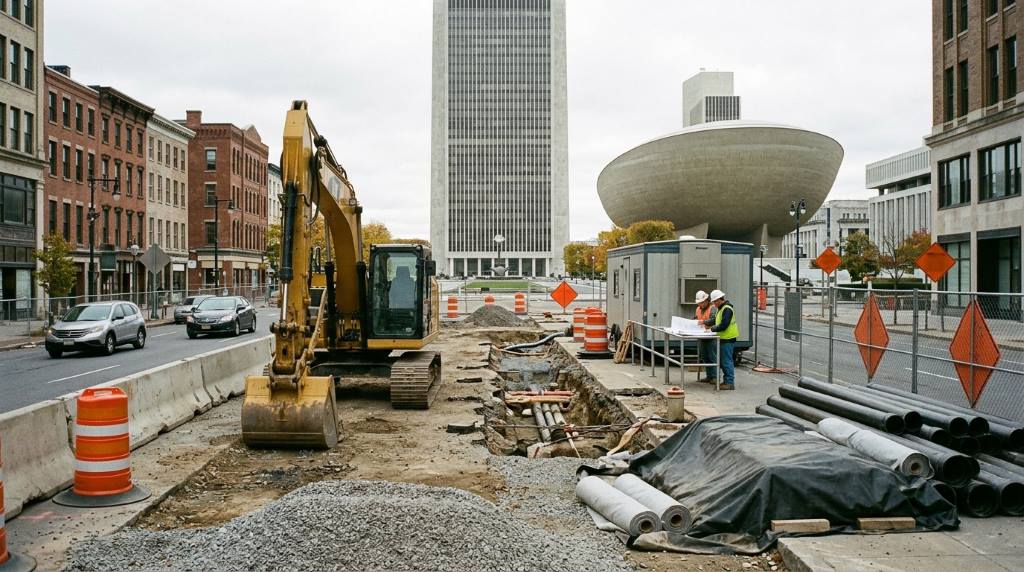
Public projects in Albany, NY, often face delays that frustrate residents and stakeholders alike. According to a 2023 report, nearly 40 percent of municipal projects in the region experience setbacks due to bureaucratic hurdles. These delays not only waste resources but also erode public trust in local governance. Addressing these issues requires a deep look at the root causes and practical solutions. Strong government partnership strategies can play a pivotal role in overcoming these challenges.
Bureaucratic Red Tape and Approval Delays
One of the primary reasons public projects stall in Albany is the complex web of bureaucratic procedures. Multiple layers of approval are often required before a project can move forward. This process can take months or even years to complete.
Local agencies must coordinate with state and federal authorities, which adds to the delay. Each level of government has its own set of rules and requirements. Miscommunication or misalignment between these entities can halt progress entirely.
To streamline this, Albany could adopt digital tools that automate approval workflows. Such tools can reduce human error and speed up decision-making. Additionally, clear timelines and accountability measures can help keep projects on track.
Public projects in Albany often face delays due to outdated systems. Modernizing these systems can make a significant difference. For example, replace textbooks in STEM learning initiatives have shown how digital transformation can improve efficiency in other sectors.
Funding Shortages and Budget Constraints
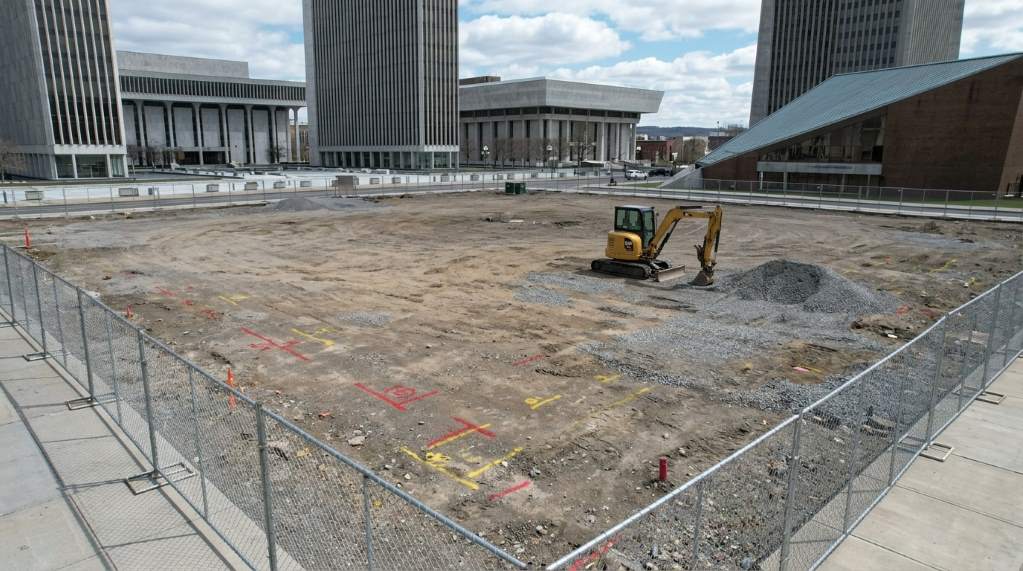
Funding is another major obstacle for public projects in Albany. Many initiatives rely on grants or public funding, which can be unpredictable. When budgets fall short, projects are often put on hold indefinitely.
Competing priorities within the city can also divert funds away from critical projects. For instance, emergency services or infrastructure repairs may take precedence over long-term initiatives. This creates a cycle of stops and starts that disrupts progress.
To address this, Albany could explore public-private partnerships to secure additional funding. Transparent budgeting and prioritization frameworks can also ensure that funds are allocated efficiently. Regular financial audits can help identify and address budgetary gaps early.
Moreover, community engagement can help prioritize projects based on public need. This ensures that limited resources are used where they will have the greatest impact.
Community Opposition and Public Pushback
Public projects often face resistance from local communities. Concerns about environmental impact, noise, or changes to neighborhood character can lead to protests or legal challenges. These objections can delay or even derail projects entirely.
In Albany, historical preservation is a particularly sensitive issue. Projects that threaten historic buildings or landmarks often meet strong opposition. Balancing development with preservation is a delicate task.
Early and inclusive community engagement can help mitigate this. Hosting public forums and seeking input during the planning stages can build trust. It also allows project managers to address concerns before they escalate.
Educating the public about the benefits of a project can also reduce resistance. For example, highlighting how a project aligns with broader goals, such as those discussed in popular books that warned about AI, can foster understanding and support.
Workforce and Resource Limitations
Albany, like many cities, struggles with limited workforce and resources. Skilled labor shortages can slow down construction and implementation. Additionally, the availability of materials can fluctuate due to supply chain issues.
Seasonal weather in upstate New York further complicates project timelines. Harsh winters can bring work to a standstill for months. Planning for these interruptions is essential but often overlooked.
Investing in workforce development programs can help address labor shortages. Partnering with local trade schools and offering apprenticeships can build a skilled workforce. Additionally, diversifying supply chains can reduce material shortages.
Project managers should also adopt flexible scheduling to account for weather delays. Using weather forecasting tools can help plan around adverse conditions. This proactive approach can minimize disruptions and keep projects moving forward.
Lack of Clear Leadership and Accountability
A lack of clear leadership can cause public projects to lose direction. Without strong oversight, timelines can slip, and priorities can shift. This often results in projects that drag on without clear milestones or deliverables.
In Albany, frequent changes in local government leadership can exacerbate this issue. Each new administration may have different priorities, leading to inconsistent project management. This lack of continuity can stall progress.
Establishing dedicated project management offices can provide the necessary oversight. These offices should have the authority to make decisions and hold teams accountable. Regular progress reviews and public updates can also maintain transparency and trust.
Clear communication channels between leaders, teams, and the public are vital. This ensures everyone is aligned and can quickly address any issues that arise. Strong leadership can turn potential setbacks into opportunities for improvement.
Solutions to Keep Albany’s Public Projects on Track
Addressing the root causes of project delays requires a multi-faceted approach. Streamlining approval processes, securing stable funding, and engaging the community are all critical steps. Additionally, investing in workforce development and modernizing systems can improve efficiency.
Strong leadership and accountability structures are equally important. By adopting these strategies, Albany can reduce delays and deliver projects that benefit the entire community. The key is to act proactively rather than reactively.
Collaboration between government, businesses, and residents can also drive success. Public projects should be seen as a shared responsibility. Together, these stakeholders can create a more efficient and effective process.
Finally, learning from past mistakes is essential. Analyzing delayed projects can provide valuable insights. These lessons can inform future initiatives and help Albany build a reputation for timely and successful project delivery.
Conclusion
Public projects in Albany, NY, face numerous challenges that can lead to delays. From bureaucratic red tape to funding shortages and community opposition, the obstacles are significant. However, with the right strategies, these issues can be overcome.
By modernizing systems, engaging the community, and investing in leadership, Albany can improve its project delivery. The city has the potential to set an example for efficient and effective public project management. Now is the time to take action and turn these insights into reality.
Call to Action: Residents, leaders, and stakeholders must work together to address these challenges. Share your ideas, support local initiatives, and hold officials accountable. Together, we can ensure Albany’s public projects succeed.
FAQ
Why do public projects in Albany often face delays?
Public projects in Albany often face delays due to bureaucratic red tape, funding shortages, community opposition, and workforce limitations.
How can bureaucratic delays be reduced?
Bureaucratic delays can be reduced by streamlining approval processes, adopting digital tools, and improving inter-agency coordination.
What role does community engagement play in project success?
Community engagement helps address concerns early, build trust, and ensure projects align with public needs and priorities.
How can Albany secure more stable funding for public projects?
Albany can secure more stable funding through public-private partnerships, transparent budgeting, and prioritization frameworks.
What can be done to address workforce shortages?
Workforce shortages can be addressed by investing in workforce development programs, partnering with trade schools, and offering apprenticeships.