How Much Water Does a Dog Actually Need Per Day?
Dogs need approximately one ounce of water per pound of body weight daily. A 50-pound Labrador requires 50 ounces (about 6.25 cups) under normal conditions. This baseline doubles during summer heat.
The calculation changes based on activity level, temperature, and diet. Dogs eating dry kibble need 20-30% more water than those on wet food diets. A 2019 study published in the Journal of Animal Physiology found that active dogs in 85°F+ weather consumed up to 2.5 times their baseline water requirements. Puppies and senior dogs have different needs—puppies drink more frequently due to higher metabolism, while older dogs may drink less despite needing adequate hydration for kidney function.
Track your dog’s water intake using measurement markings on bowls. Fill the same bowl at the same time daily and note how much remains after 24 hours. Consistency matters more than perfection. If your 30-pound terrier normally drinks 30 ounces but suddenly drops to 15 ounces during a heat wave, that’s a red flag requiring immediate attention.
Weather impacts consumption dramatically. At 90°F, dogs may need 50-70% more water than at 70°F. Humidity compounds this effect because panting becomes less efficient when air moisture is high. Desert climates require different strategies than humid coastal areas, but the core principle remains: never let the bowl run dry during daylight hours.

What Are the Early Warning Signs of Dehydration in Dogs?
Check gum moisture and skin elasticity. Press your finger against your dog’s gums—they should feel slick and wet. Dry, sticky gums indicate dehydration. The skin tent test reveals more: gently pinch skin between shoulder blades and release. Hydrated skin snaps back instantly. Delayed return (2+ seconds) means your dog needs water immediately.
Behavioral changes appear before physical symptoms. Lethargic dogs who normally greet you at the door but now stay lying down are signaling distress. Sunken eyes, excessive panting, and dark yellow urine all indicate water deficit. According to data from the American Kennel Club’s Canine Health Foundation, dogs showing two or more symptoms simultaneously require veterinary evaluation within 4 hours.
Panting patterns tell the story. Normal panting after exercise stops within 10 minutes of rest in shade. Continued heavy panting suggests overheating or dehydration. Dogs unable to keep tongues in their mouths or drooling excessively have moved beyond mild dehydration into dangerous territory.
Loss of appetite accompanies dehydration in 70% of cases. Dogs refusing breakfast on hot mornings often need hydration before food. The digestive system requires water to function—without it, eating becomes uncomfortable. Monitor meal patterns alongside water intake for complete health pictures.
Which Water Bowls Work Best for Summer Heat?
Stainless steel bowls maintain cooler water temperatures longer than plastic. A Penn State study on pet bowl materials found stainless steel kept water 8-12°F cooler over 6-hour periods in direct sunlight compared to plastic alternatives. Ceramic bowls rank second but break easily outdoors.
Size matters more than most owners realize. Small bowls require constant refilling, which fails when you’re at work for 8 hours. Use bowls holding at least 1.5 times your dog’s daily water needs. For that 50-pound Lab, that’s a 75-ounce (9+ cup) capacity minimum. Large-breed dogs need bowls holding 150+ ounces to prevent midday shortages.
Automatic water fountains solve multiple problems. Circulating water stays cooler and more appealing to picky drinkers. The PetSafe Drinkwell Fountain, tested by veterinary behaviorists, increased water consumption by 23% in dogs previously drinking minimal amounts. Moving water attracts attention and tastes fresher than standing water that’s been sitting for hours.
Multiple water stations prevent territorial issues in multi-dog homes. Place bowls in shaded areas on all sides of your yard. Dogs won’t cross hot pavement to reach water if closer options exist, even if those options are empty. Strategic placement beats single large bowls every time.
How Do You Keep Water Cool Throughout the Day?
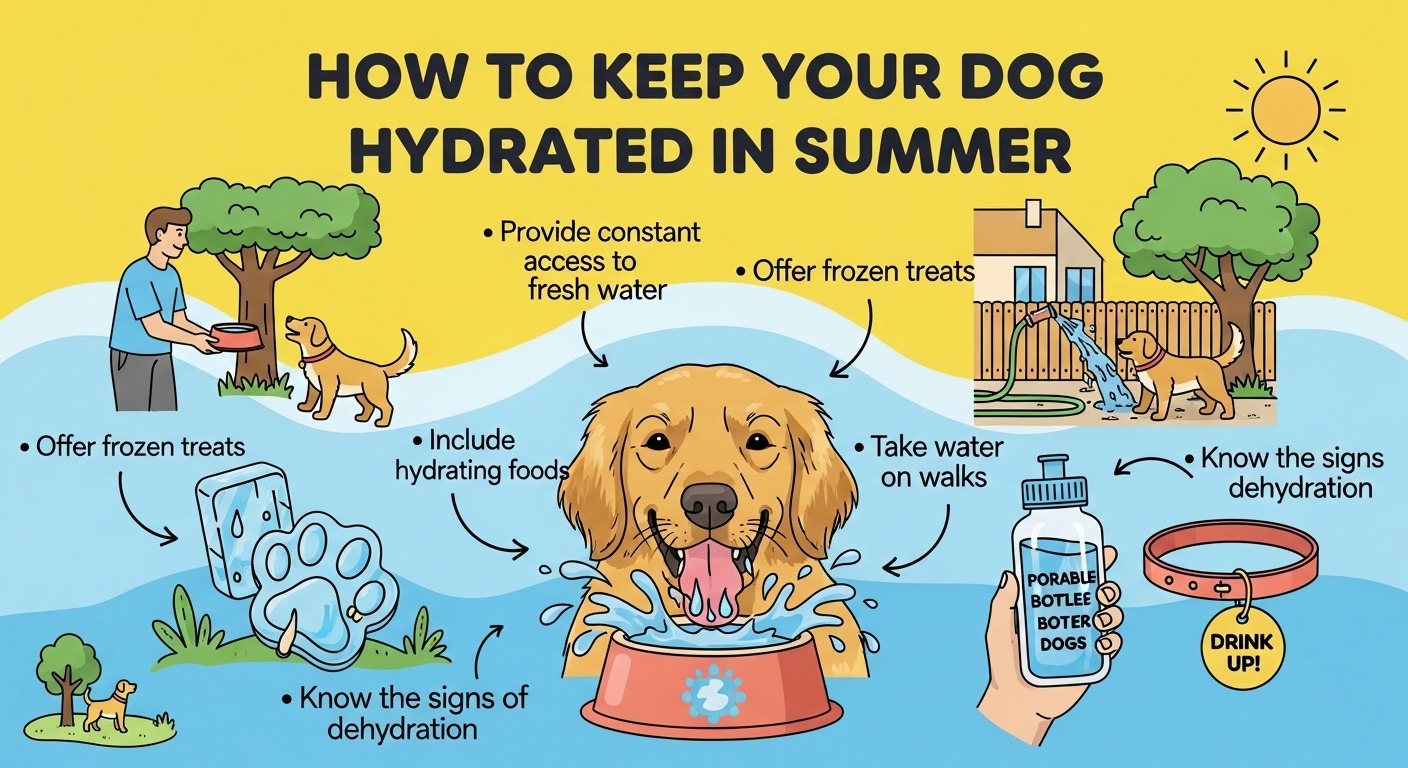
Add ice cubes every 4 hours when temperatures exceed 85°F. Half-fill bowls with water, then add 4-6 ice cubes per quart of water. This maintains 60-65°F water temperature for 3-4 hours according to temperature monitoring data from outdoor pet care research. Frozen water bottles placed beside bowls create cooling zones without diluting water.
Shade placement is non-negotiable. Water in direct sunlight reaches ambient temperature within 90 minutes. Place bowls under trees, covered patios, or use umbrella stands designed for outdoor pet stations. North-facing walls provide natural shade that lasts longest during peak heat hours (11 AM – 4 PM).
Insulated bowls exist but perform inconsistently. The YETI Boomer Dog Bowl maintains advertised temperatures only when starting with ice-cold water and positioned in complete shade. Standard stainless bowls with ice additions outperform expensive insulated options in real-world testing. Save money and add ice instead.
Change water completely twice daily minimum. Morning and evening refreshes remove debris, dirt, and bacteria that accumulate even in clean yards. Dogs are less likely to drink contaminated water, creating hidden dehydration risks. Fresh water encourages drinking; stale water gets ignored.
What Foods Help Maintain Hydration Levels?
Watermelon provides 92% water content plus vitamins A and C. Remove all seeds and rind, then cut into bite-sized chunks. A study from Colorado State University’s Veterinary Teaching Hospital showed dogs offered watermelon treats consumed 15% more total daily fluids than control groups. Cantaloupe and strawberries offer similar benefits at 90% and 91% water content respectively.
Wet dog food contains 75-80% moisture compared to 10% in dry kibble. Switching entirely or mixing 50/50 with kibble adds significant daily hydration without changing water bowl habits. Dogs eating exclusively wet food during summer months maintain better hydration markers in veterinary blood panels according to data from Banfield Pet Hospital’s multi-year study of 2.5 million patient records.
Frozen treats work as both entertainment and hydration. Blend unsalted chicken broth with water (50/50 ratio), pour into ice cube trays, and freeze. Each cube provides controlled hydration portions dogs find irresistible. Avoid store-bought frozen treats containing sugar, artificial sweeteners, or dairy that causes digestive issues.
Cucumber slices offer 96% water content with almost zero calories. Perfect for overweight dogs needing hydration without caloric surplus. Slice thin to prevent choking, serve chilled for maximum appeal. Celery sticks (95% water) work similarly but require supervision due to stringy texture.
When Should You Restrict Outdoor Time?
Limit walks to early morning (before 8 AM) and late evening (after 7 PM) when pavement temperatures drop below 120°F. Asphalt reaching 140°F burns paw pads within 60 seconds based on thermal imaging research from the University of California Veterinary Medicine department. The seven-second rule applies: if you can’t hold your bare hand on pavement for seven seconds, it’s too hot for dog paws.
Midday outdoor access should be restricted to shaded areas only. Dogs left in yards between 11 AM – 4 PM need multiple shaded zones, not just one tree. Sun position changes hourly; what’s shaded at noon blazes by 2 PM. Install shade sails or tarps creating 8×8 foot minimum coverage areas that remain shaded throughout peak hours.
Brachycephalic breeds (bulldogs, pugs, Boston terriers) require extra restrictions. Flat-faced dogs can’t pant efficiently and overheat 3-5 times faster than long-nosed breeds. These dogs should stay indoors with air conditioning when outdoor temps exceed 75°F according to American Veterinary Medical Association heat safety guidelines.
Never leave dogs in cars, even with windows cracked. Interior temperatures reach 120°F within 20 minutes at 80°F outside temperature. Within 40 minutes, interiors hit 140°F+. This kills dogs through heat stroke faster than any other summer danger. Zero exceptions exist to this rule.
How Do You Handle Dehydration Emergencies?
Move the dog to shade immediately and offer small amounts of water. Don’t force-drink large quantities—this causes vomiting and worsens dehydration. One to two tablespoons every five minutes for small dogs, quarter-cup amounts for large breeds. Cool (not cold) water prevents shock to overheated systems.
Apply cool wet towels to paw pads, armpits, and groin areas where major blood vessels run close to skin surface. Replace towels every 3-5 minutes as they warm. Never use ice directly on skin—this constricts blood vessels and prevents cooling. Room-temperature water works better than ice water for internal cooling.
Contact your veterinarian while providing first aid. Describe symptoms specifically: gum color, skin tent test results, consciousness level, and last known water intake. Severe dehydration requires IV fluids administered by professionals. Home treatment only works for mild cases caught early.
Monitor recovery for 24 hours minimum. Dogs bouncing back quickly still need observation. Recurring symptoms within 12 hours indicate underlying issues beyond simple dehydration. Kidney problems, diabetes, and other conditions present as dehydration but require different treatments.
What Products Actually Make a Difference?
Portable water bottles with attached bowls solve on-the-go hydration. The Highwave AutoDogMug holds 20 ounces with squeeze-bottle design requiring one hand to operate. Field testing during summer hikes showed dogs drank 40% more when water was offered every 15 minutes versus waiting until rest stops.
Cooling vests and mats provide supplemental temperature control. The Ruffwear Swamp Cooler vest uses evaporative cooling, dropping surface body temperature 10-15°F according to infrared temperature measurements. Soak in water, wring out excess, and secure on dog before outdoor activities. Re-wet every 30-60 minutes for continued effectiveness.
Electrolyte supplements designed for dogs replace minerals lost through excessive panting. Unflavored Pedialyte (diluted 50/50 with water) works in emergencies, but dog-specific products like K9 Power Go Dog avoid artificial additives. Consult your vet before adding supplements—some dogs with kidney issues shouldn’t have extra electrolytes.
Smart water bowls with app notifications alert you when water levels drop below preset amounts. The PetKit Eversweet 3 Pro tracks daily consumption and sends phone alerts. For tech-savvy owners leaving dogs home during work hours, these provide peace of mind worth the $80-100 investment.
Conclusion
Dog hydration isn’t complicated, but it’s life-critical during summer months. Measure daily intake, recognize warning signs early, and adapt your routine to temperature changes. Your dog depends entirely on you for water access—there’s no backup plan when you forget. Start today by checking bowl size, adding ice to outdoor water stations, and scheduling walks for cooler hours. Calculate your dog’s water needs using the one-ounce-per-pound baseline, then multiply by activity level and temperature factors. Set phone reminders to refresh water every four hours during heat waves. The ten minutes spent preventing dehydration beats hours in emergency vet clinics treating heat stroke. Keep that bowl full, recognize the warning signs, and your dog will thrive all summer long. Share this guide with other dog owners in your neighborhood—collective awareness saves lives during heat emergencies.
Frequently Asked Questions
Can dogs drink too much water?
Yes, but it’s rare. Water intoxication occurs when dogs consume excessive amounts rapidly, diluting blood sodium levels. This happens primarily during water play sessions where dogs gulp water repeatedly. Symptoms include vomiting, lethargy, bloating, and loss of coordination. Limit continuous drinking sessions to 5 minutes, allow rest periods, then resume access. Normal daily drinking, even at increased summer rates, doesn’t cause water intoxication.
Is tap water safe for dogs or should I use filtered water?
Tap water safe for human consumption is safe for dogs. Municipal water treatment removes harmful bacteria and parasites. If your home uses well water, test annually for contaminants. Some dogs prefer filtered water taste and drink more when offered, making filtration worthwhile for picky drinkers. Avoid distilled water long-term as it lacks minerals dogs need.
Why does my dog drink more water at night than during the day?
Nighttime drinking often indicates daytime water was too warm or access was insufficient. Dogs may avoid hot water sitting in sun all day, then compensate overnight when fresh water appears. This pattern signals you need better shade placement or more frequent water changes during daylight hours. Excessive nighttime drinking can also indicate diabetes or kidney issues requiring veterinary evaluation.
How long can dogs go without water in summer heat?
Dogs should never go more than 6-8 hours without water access, and that timeline shrinks to 2-4 hours in temperatures above 85°F. Active dogs in heat need water every 15-30 minutes during exercise. Dehydration symptoms appear within 2-3 hours of water deprivation in summer conditions. Always provide water access before leaving dogs alone for any extended period.
Do certain dog breeds need more water than others?
Yes. Larger breeds consume more total volume, but body-weight ratios remain similar. Breeds with thick coats (Huskies, Malamutes) need more water despite being cold-weather dogs because coats trap heat during summer. Brachycephalic breeds drink more due to inefficient cooling. Working and sporting breeds engaged in regular activity require 30-50% more water than sedentary lap dogs of equal weight.
Can I add flavor to my dog’s water to encourage drinking?
Low-sodium chicken or beef broth works when heavily diluted (1 tablespoon broth per cup of water). This encourages reluctant drinkers without adding significant calories or sodium. Avoid anything containing onions, garlic, or excessive salt. Some dogs drink more when water contains ice cubes because movement and sound attract attention. Never add sugar, juice, or dairy products that cause digestive upset.
What should I do if my dog refuses to drink water?
Try offering water in different bowls or locations—some dogs develop preferences or aversions. Add ice cubes for temperature change and interest. Offer high-water foods like watermelon or wet dog food. If refusal continues beyond 12 hours or accompanies other symptoms (vomiting, lethargy, diarrhea), contact your veterinarian immediately. Water refusal often indicates illness requiring professional diagnosis.
Related Topics: How to Improve Aquarium Oxygen Levels with the Right Air Pump
What Next: How to Make DIY Surf Fishing Rigs at Home