
 0
0
 0
0
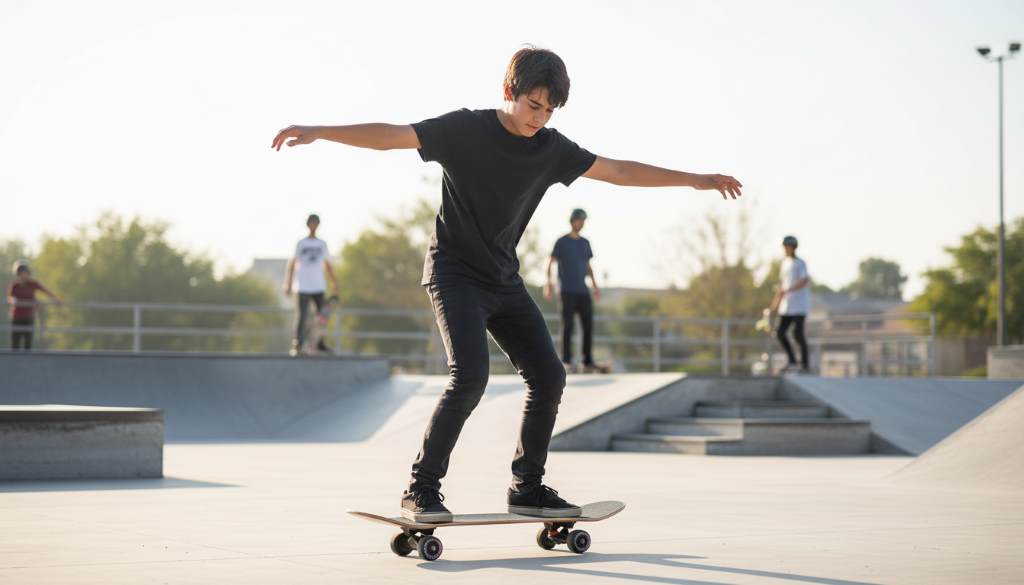
Skateboarding grabs your attention quickly. You watch riders glide smoothly, pop tricks effortlessly, and own the streets with style. However, many new skaters fall hard in their first week because they pick the wrong board.
Moreover, skateboarding grows fast worldwide. Millions ride regularly, and the sport joined the Olympics in 2020. Yet injuries happen often. Studies show over 245,000 people visit emergency rooms yearly for skateboarding-related issues in the U.S. alone. Beginners face the highest risks, especially without proper gear.
Therefore, choose wisely from the start. If you seek a solid skateboard for beginners, focus on setups that balance stability and control. This guide walks you through every step to find the perfect board.
Why the Right Beginner Skateboard Matters
New riders need stability first. A good board helps you balance, push comfortably, and turn without constant wobbles. Conversely, a mismatched setup frustrates you and leads to quick quits.
Additionally, the right board builds skills safely. Research highlights that one-third of injuries strike beginners in their early days. Proper equipment reduces those risks significantly.
Finally, starting correctly saves time. You avoid bad habits from fighting an unsuitable board. Instead, you progress faster and enjoy the ride more.
Key Parts of a Skateboard Explained
Every skateboard includes several core components. Beginners benefit from understanding each one. This knowledge helps you evaluate options effectively.
First, the deck forms the wooden platform you stand on. Trucks attach below and hold the wheels. Wheels and bearings control speed and smoothness. Grip tape covers the top for foot traction.
Moreover, these parts work together. Changes in one affect the others. For example, wider decks pair best with matching trucks.
The Deck: Your Foundation
The deck matters most for beginners. Manufacturers build most from seven layers of maple wood for strength and flex.
Furthermore, shape influences feel. Popsicle decks feature symmetric noses and tails. They suit street and park skating well. Cruiser shapes vary but prioritize comfort.
Additionally, concave curves the deck slightly upward at edges. Medium concave offers control without overwhelming new riders.
Trucks: Steering and Stability
Trucks connect wheels to the deck. They turn when you lean and absorb impacts.
Beginners prefer mid-height trucks. Low trucks suit technical tricks but feel unstable initially. High trucks handle rough surfaces better yet reduce flip ease.
Moreover, truck width must match deck width. This setup ensures proper wheel alignment and balanced turns.
Wheels: Speed and Grip
Wheel size and hardness change your ride dramatically. Larger wheels roll faster over cracks. Smaller ones accelerate quicker for tricks.
For starters, choose 52-54mm wheels. They balance speed and control perfectly. Hardness around 99A grips pavement while allowing slides.
Additionally, softer wheels (78-87A) suit cruising on rough paths. However, they slow you down on smooth surfaces.
Bearings: Smooth Rolling
Bearings sit inside wheels and reduce friction. Ratings like ABEC-5 or ABEC-7 indicate precision.
However, many pros pick Bones Reds bearings over high ABEC ratings. They deliver durability and consistent speed.
Furthermore, quality bearings need occasional cleaning. Dirt buildup slows even the best ones.
Grip Tape: Traction You Trust
Grip tape covers the deck top. It resembles coarse sandpaper and prevents foot slips.
Standard black grip works fine for most. Clear or colored options exist but cost more.
Moreover, apply grip carefully. Bubbles or poor adhesion cause early wear.
Choosing the Right Deck Size
Deck width drives stability and control. Wider decks forgive balance errors. Narrower ones maneuver faster.
Beginners often thrive on 8.0 to 8.5-inch widths. This range suits most adults and teens.
Here’s a simple guide:
- Shoe size under 7 (kids): 7.0-7.5 inches
- Shoe size 7-9: 7.75-8.25 inches
- Shoe size 9+: 8.25-8.75 inches
Additionally, consider height. Riders under 5’3″ lean toward narrower decks. Taller skaters prefer wider ones.
Furthermore, length rarely varies much. Most decks measure 31-33 inches.
Complete Skateboards vs Custom Builds
Most beginners buy complete skateboards. Shops assemble them with matched parts.
Completes arrive ready to ride. Brands test combinations for reliability.
However, custom builds let you select every component. This option suits experienced riders who know preferences.
Therefore, stick with completes initially. You learn your style first, then upgrade later.
Moreover, quality completes from trusted brands outperform cheap store versions. Solid wood and components last longer.
Essential Features for Beginner Skateboards
Seek medium concave decks. They provide control without extreme feel.
Additionally, choose standard kingpin trucks. They turn predictably for learning.
Wheels in the 52-54mm range with 99A hardness work everywhere. Pair them with reliable bearings.
Furthermore, mild kicktails help basic ollies. Steep tails complicate balance early on.
Related:
Complete Review of WhiteFang 31: Is It Worth Buying for Young Riders?
Must-Have Safety Gear
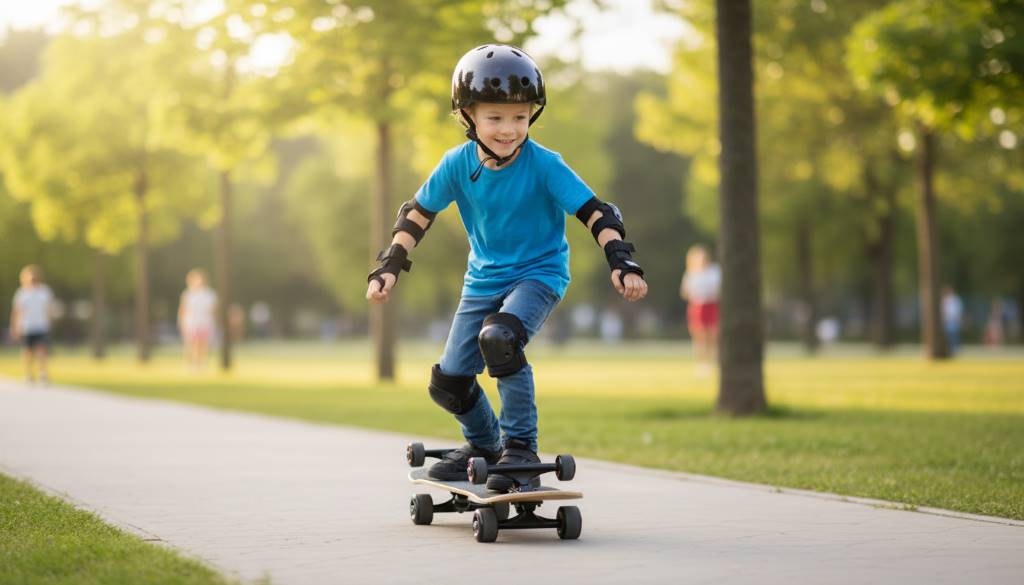
Safety comes first always. Helmets prevent serious head injuries.
Studies show helmets cut head injury risk dramatically. Certified models absorb impacts best.
Moreover, wrist guards protect during falls. Beginners fall forward often and brace with hands.
Knee and elbow pads add confidence. You attempt moves knowing protection exists.
Additionally, wear closed shoes with flat soles. They grip better than sneakers with thick treads.
Common Mistakes New Skaters Make
Many buy tiny decks for tricks. Small boards feel unstable at first.
Others pick cheap big-box boards. They snap quickly and ride poorly.
Furthermore, skipping safety gear invites injury. Even pros wear helmets in risky spots.
Some start on rough streets without proper wheels. Cracks stop you suddenly.
Therefore, research thoroughly. Read reviews and guides before buying.
Where and How to Practice Safely
Start on smooth, flat surfaces. Empty parking lots work perfectly.
Additionally, visit local skateparks during quiet hours. Watch others and ask questions.
Moreover, learn to fall properly. Tuck arms and roll if possible.
Progress slowly. Master pushing and turning before ramps or tricks.
Furthermore, take breaks. Fatigue causes most accidents.
Maintaining Your Skateboard
Clean bearings regularly. Remove wheels and wipe debris.
Additionally, tighten hardware periodically. Vibrations loosen bolts.
Check wheels for flat spots. Rotate them evenly for longer life.
Moreover, store boards away from moisture. Warping ruins decks.
Simple care extends your board’s life greatly.
Upgrading as You Progress
You outgrow beginner setups eventually. Street skaters often narrow decks slightly.
Trick-focused riders switch to lighter trucks. Cruisers upgrade to softer wheels.
However, keep your first board. It reminds you of progress made.
Conclusion
Choosing your first skateboard sets your skating foundation. Focus on stability, quality parts, and safety gear.
Moreover, start with an 8.0-8.5 inch complete setup. Add helmet and pads immediately.
You build skills faster with the right board. Confidence grows, falls decrease, and fun increases.
Therefore, grab your board today. Push off, feel the roll, and join the skateboarding community. Your journey starts now.
FAQs
What deck size should beginners choose?
Most adults start with 8.0 to 8.5 inches. It offers stability while allowing maneuverability.
Do I need an expensive board to start?
No. Quality completes provide everything needed without high costs.
How important is a helmet?
Extremely. Helmets drastically reduce head injury risks, especially for beginners.
Complete or custom for new riders?
Always complete. Parts match perfectly and arrive ready to ride.
How long do beginner skateboards last?
With proper care, several years. Regular riders replace decks every 6-12 months.
- SkatePro Beginner Guide: https://www.skatepro.com/en-us/a535.htm
- Tactics Size Guide: https://www.tactics.com/info/skateboard-sizes-and-buying-guide
- Safe Kids Worldwide Skateboarding Safety: https://www.safekids.org/safetytips/field_risks/skating-and-skateboarding
- National Safety Council Skateboarding Safety: https://www.nsc.org/community-safety/safety-topics/child-safety/skateboarding-safety


